
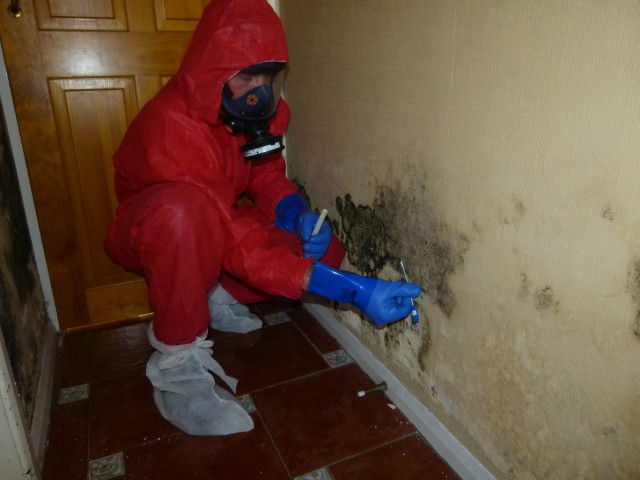


Mould can become a 24-hour legal emergency.
Under The UK’s 2025 Awaab’s Law, social landlords must act fast.
Mould Removal and Testing Services
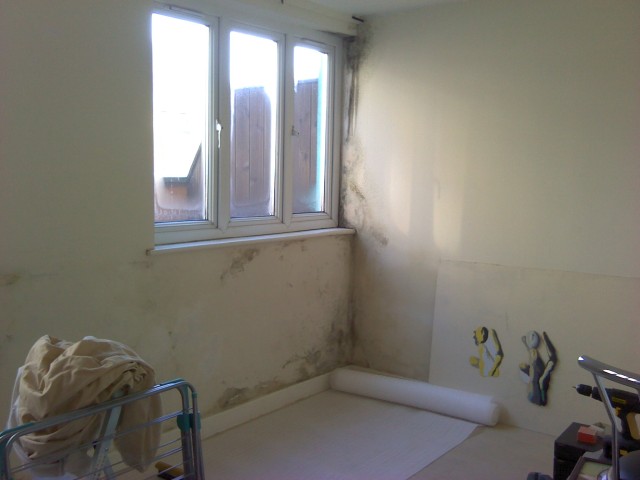
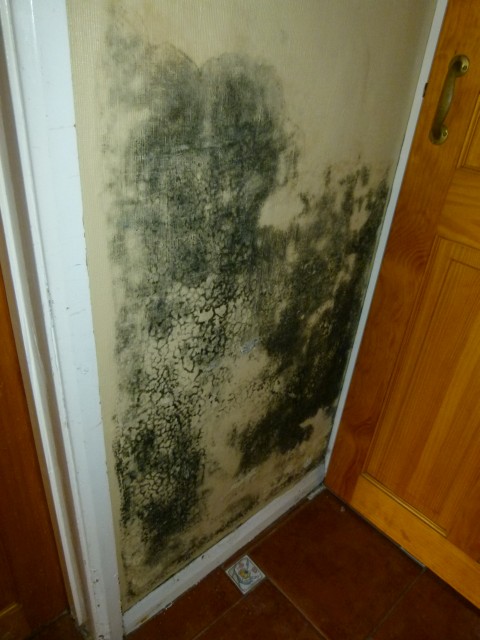
Mould is caused by a moisture issue within the area where it’s growing. This could occur because of any number of things, including water ingress from flooding/leaks, poor ventilation or damp patches.
The first step to mould remediation is to identify the cause and then have a quotation carried out by a trained remediation specialist. They will advise you whether it is safe to reside in the property and suggest a plan of what is required to eradicate the problem.
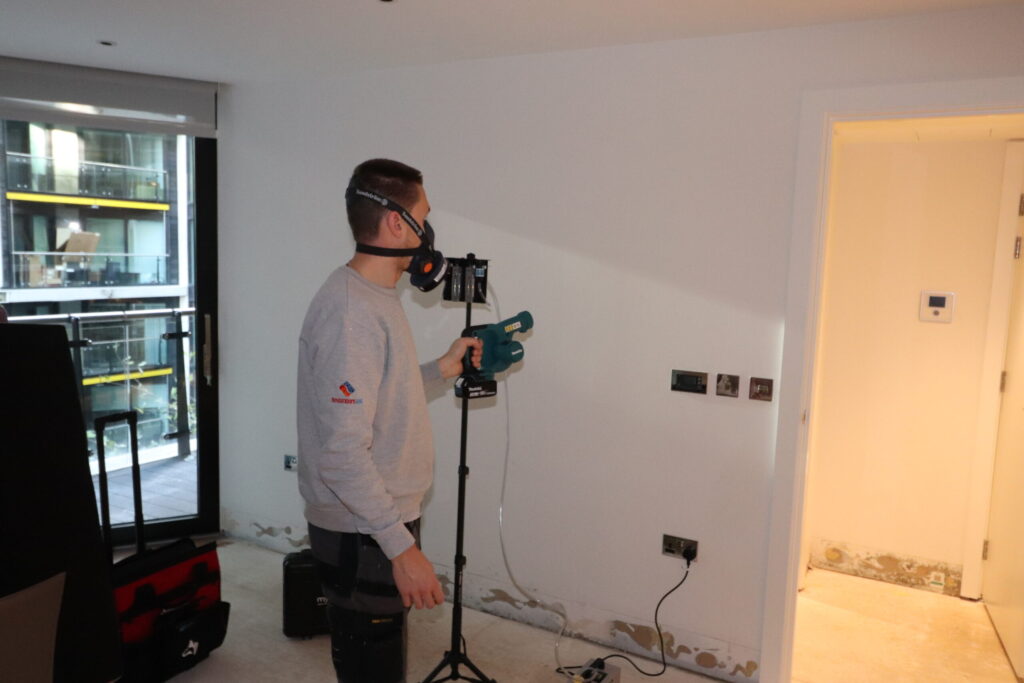
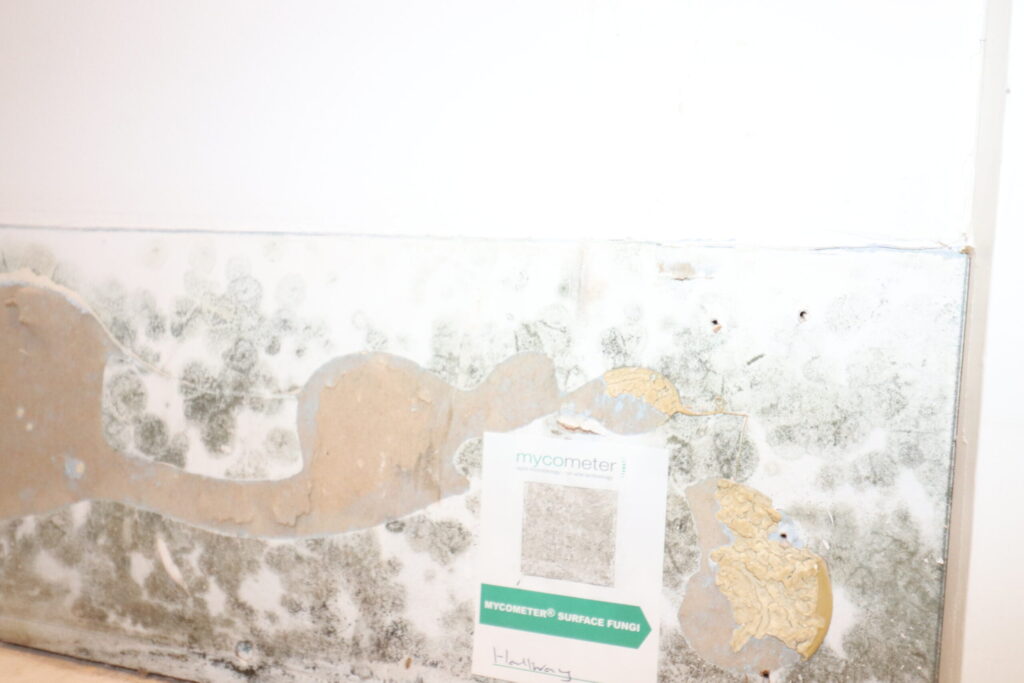
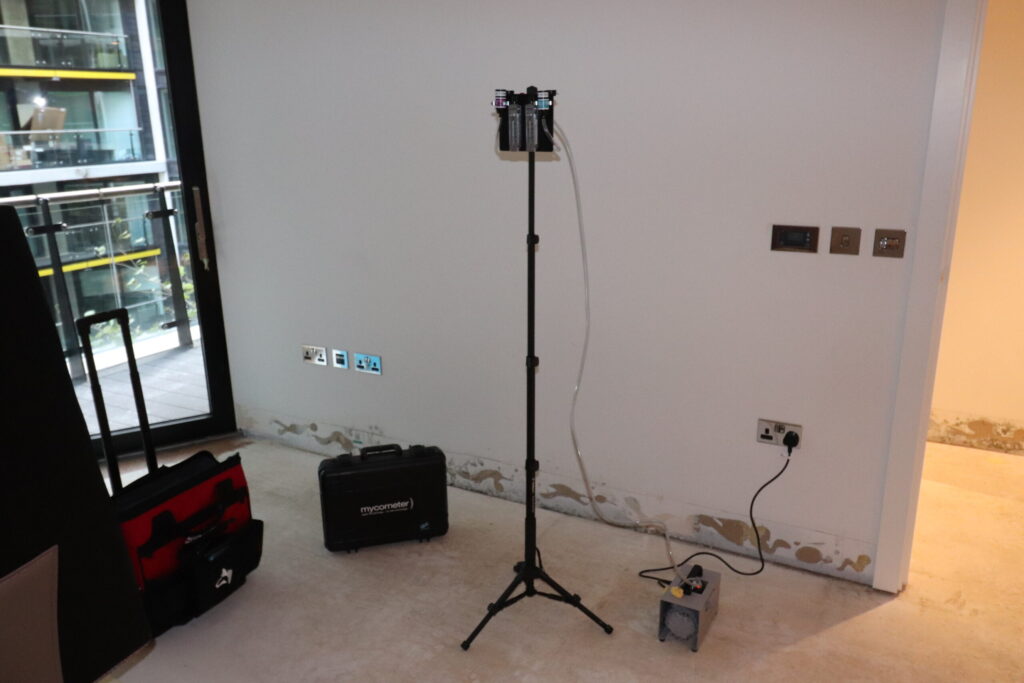
Restorations UK offer a range of testing solutions for hidden mould such as Mycometer air testing and Surface testing where investigation or confirmation is required pre or post decontamination.
Restorations (UK) are reputable mould removal specialists with 35 years’ experience. This means that if you have a mould problem in a domestic or commercial premises – big or small – we’re the company to help.
- Mycometer Mould Surface and Air Testing – Certified Technicians Available.
- HEPA filters and specialist equipment.
- Latest mould remediation techniques.
- Thorough decontamination and cleaning.
- Cross contamination prevention.
- Odour removal (if required).
- Established experts – in business over 30 years
- Work with leading insurance companies.
-
Speak to an Expert 24/7 365 Days a Year
-
On-Site Within 2 Hours Anywhere in the UK
-
Get Back to Normality
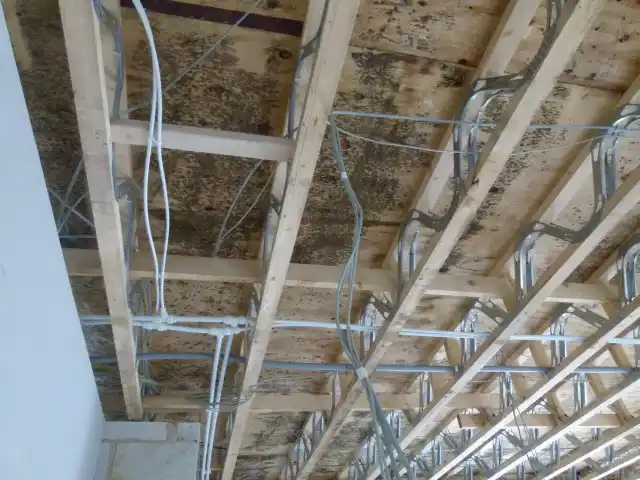
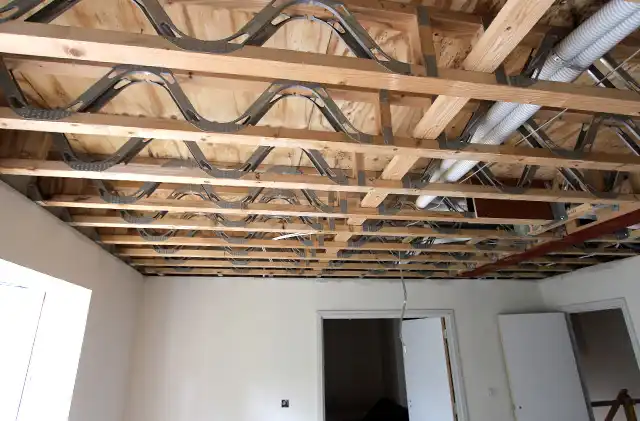
Our Mould Remediation Transformations
Drag the slider to see our mould remediation work in practice after Restorations (UK) work.
Our Mould Remediation Process
Drying
After the initial mould survey is undertaken, we first recommend a drying programme which instantly prevents further mould growth in the property. Moisture is needed to assist the spores in geminating and creating mould. This can start to happen within 48 hours of any water damage incident or rise in humidity. Therefore, specialist drying equipment will reduce the humidity and prevent further mould growth.
Mould spores are always present in properties but they can’t be seen by the naked eye as they are so small. They move through the air and settle on surfaces before they are removed by general cleaning. However, when a mould spore lands on a damp surface, they begin to grow and multiply causing a mould issue in the property.
Use of HEPA filters
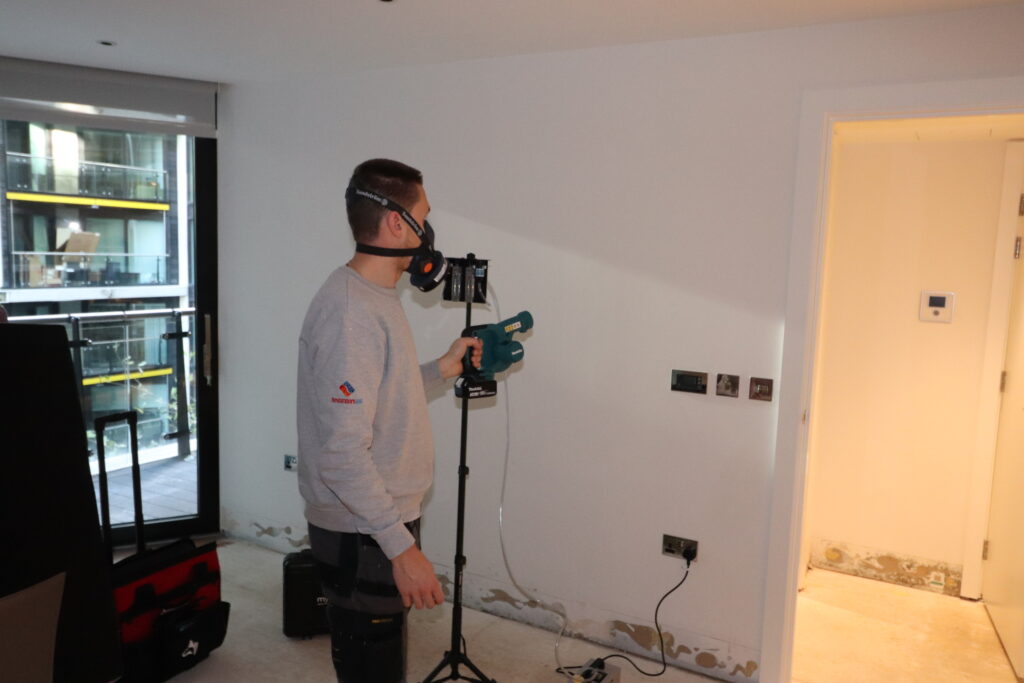
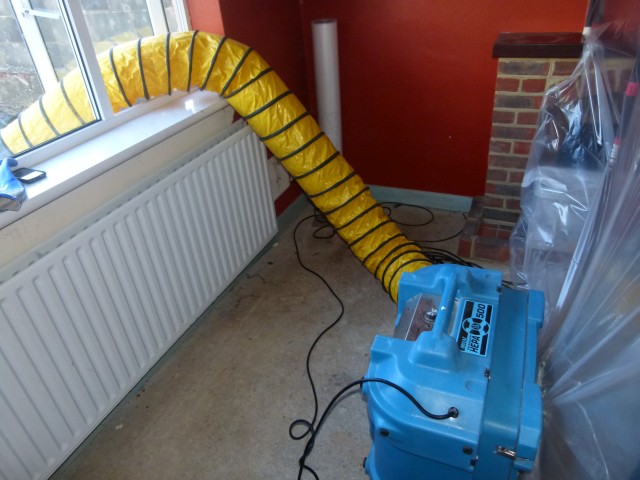
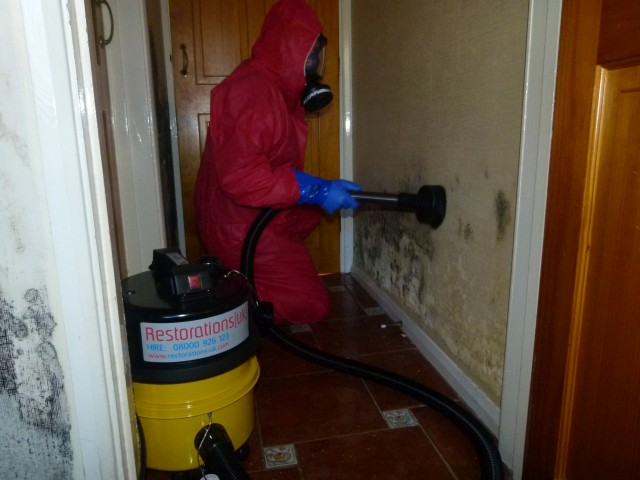
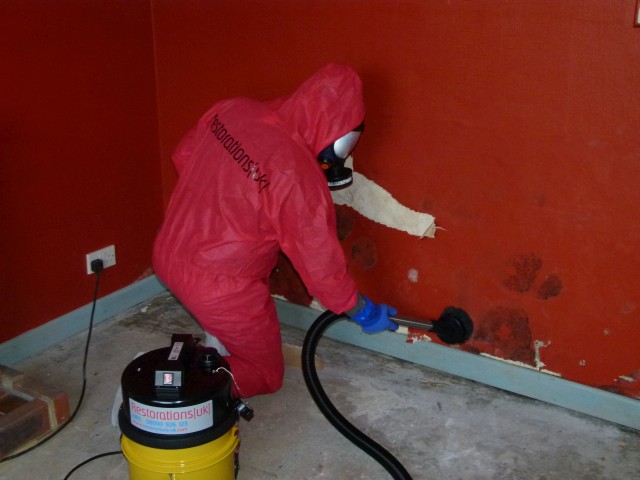
When carrying out mould remediation, the work is carried out under negative air pressure with the use of HEPA filters and specialist equipment. This approach prevents any particles being blown around the property, causing cross contamination as they are captured in the filtration system.
All our technicians have been fully trained in the latest mould remediation techniques. This means we can ensure your property is completely decontaminated and made safe for all persons to move back in. For more information please call for free advice or to arrange a technician to visit your property.

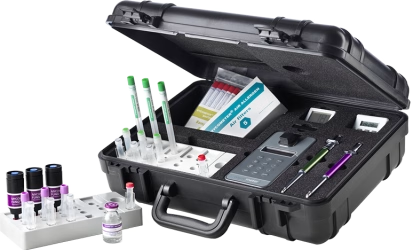
Rapid On-Site Mould and Bacteria Testing with Mycometer
Mycometer provides accurate on-site testing for mould, fungal biomass, bacterial contamination and airborne allergens. Its patented enzyme-based technology delivers standardised, reproducible results in under 60 minutes, removing the delays associated with laboratory testing.
We use this internationally recognised methodology to support our contamination assessments, sewage and flood clean-ups, indoor air-quality investigations and post-remediation verification. It enables trained professionals to define the extent of contamination and confirm that mould or bacteria remediation has been completed successfully.
Get a quote for professional on-site mould remediation.
Book A Mould Inspection or Mould Treatment and removal today
Full UK Coverage We’re local to you
No matter where you are in the UK, our mould remediation specialists can get to you. Give us a call or request a quote today.
Mould Remediation Service Breakdown
Speed Drying
Where there’s mould there’s moisture, so it’s imperative that the affected area/s are dry to prevent the further spread of mould. We have invested heavily in the latest drying technology, so you can rest assured your property will be dried thoroughly throughout.
Mould Cleaning and Decontamination
Our mould remediation work includes an initial mould survey to determine not only the scale of the problem, but also whether it’s safe for people to stay in the property as it currently stands. Once this has been undertaken, we begin thorough decontamination and cleaning of the property to remove mould using the latest equipment.
Cross Contamination prevention
Thanks to our use of HEPA filters and specialist equipment, we prevent the cross contamination of disturbed airborne mould spores spreading throughout the property. This is because the mould remediation work is solely carried out under negative air pressure.
Odour Removal
If the mould was caused by severe water ingress from flooding, it’s likely that you have unpleasant damp odours to contend with. Fortunately, we can rectify this using a variety of fogging and sealing odour removal solutions that solve the problem long-term.
Verification & Certification of Mould Remediation
After remediation is complete, we can carry out thorough air and surface assessments to confirm that mould levels have been effectively reduced. We also supply clear, detailed guidance on how to prevent future issues. When appropriate, Restorations UK can advise on ways to improve ventilation within the property, helping to minimise the chance of damp or mould reappearing. Our approach addresses both the underlying cause and the visible impact.
Any Microbial Testing of Surface and Air is supported with formal documentation and certification, providing you with complete confidence and peace of mind.
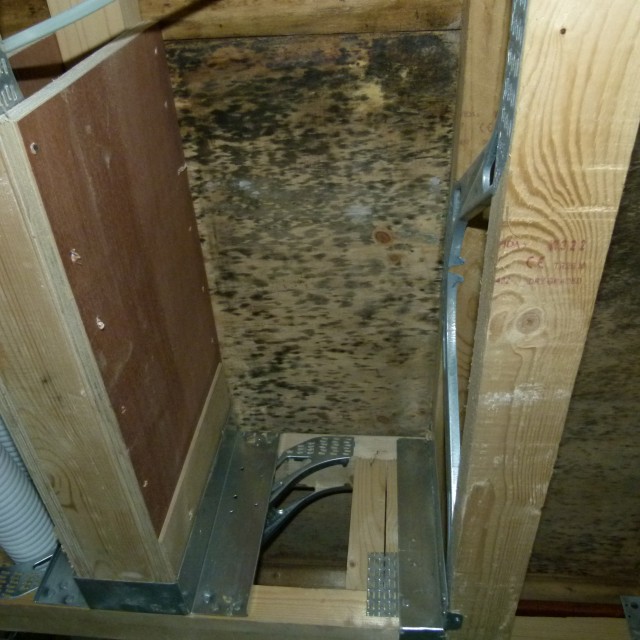
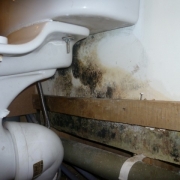
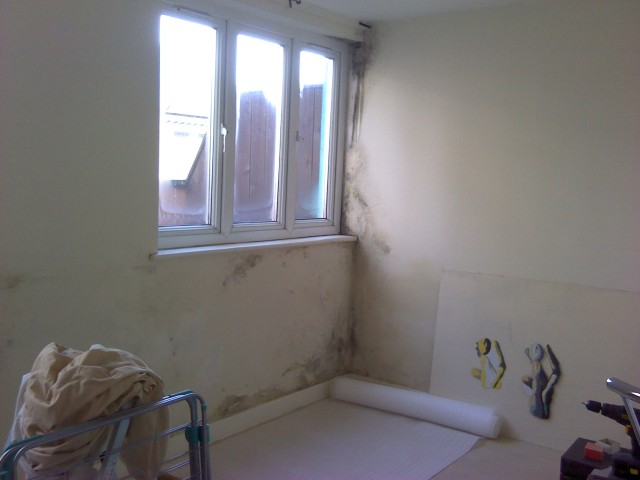
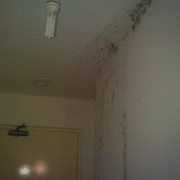
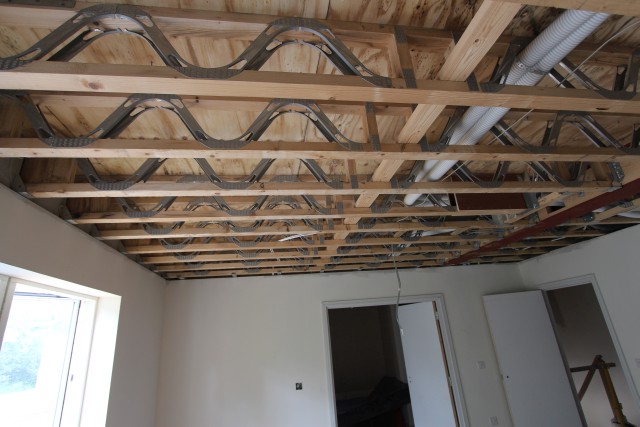
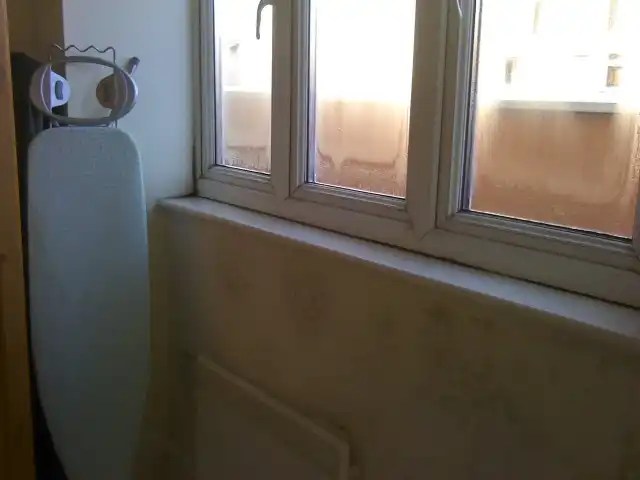
Mould Remediation Project Gallery
Mould Remediation & Restoration FAQs
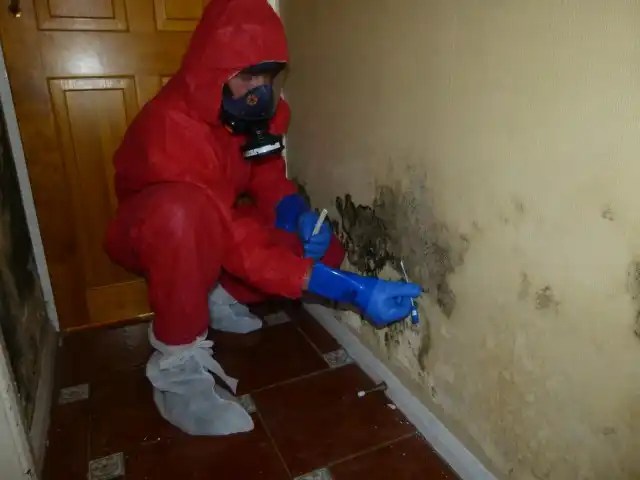
Restorations UK offer a range of testing services for mould sources. We can test a room or building with air testing to check for the presence of a mould source that may not be visible.
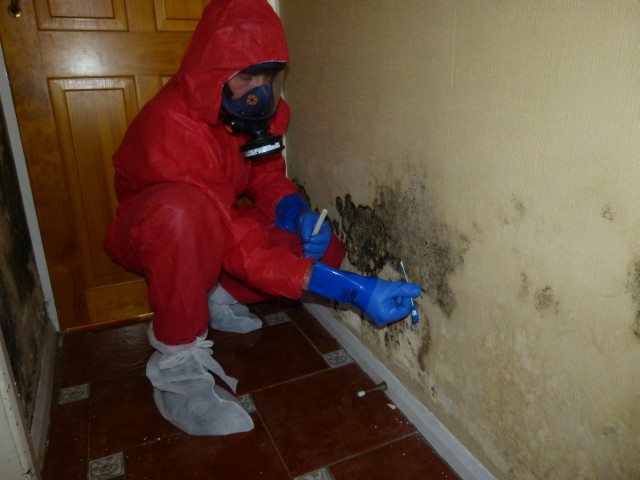
Swab testing is also available for pre or post decontamination.
Our technicians are certified with the internationally recognised Mycometer system of testing.
• Water ingress (flooding)
• High Humidity
• Drying clothes in a property without ventilation
• Not ventilating when using the bath/shower and cooking
• Damp
• Tumble dryers not ventilated
• Furniture too close to external walls
• Trickle vents in sealed up or closed windows
People who have a strong and healthy body are not always prone to the harmful effects of mould. However, some people can become seriously ill if they’re living in properties affected by mould, so we would always advise to take it very seriously. Persons most susceptible to suffer from the harmful effects of moulds are:
• Babies and children who have not fully developed
• Persons with asthma or any lung conditions
• Persons with allergies, bronchitis, pneumonia and many more
• Elderly persons
• Pregnant women
We advise you always consult your doctor if you have any concerns regarding mould in your property.
Information about the law can be found here – Awaab’s Law: Guidance for social landlords
For any concerns with a property you own or manage Restorations UK can carry out an inspection and make recommendation to improve conditions rapidly.
Mould remediation means dealing with the entire mould problem not only cleaning away the visible mould. Removal gets rid of the mould you can see. Remediation resolves the wider contamination and moisture problem. “Mould removal” is one stage within remediation. Complete removal of every mould spore is impossible because mould spores occur naturally in the environment. Remediation aims to return mould to safe, normal levels and stop active growth from returning.
Get in Touch
Expert guidance
Mould Removal, Testing & Remediation Resources
Practical guidance on professional mould removal, damp and mould treatment, identifying the source of moisture and meeting responsibilities under Awaab’s Law.
Mould removal
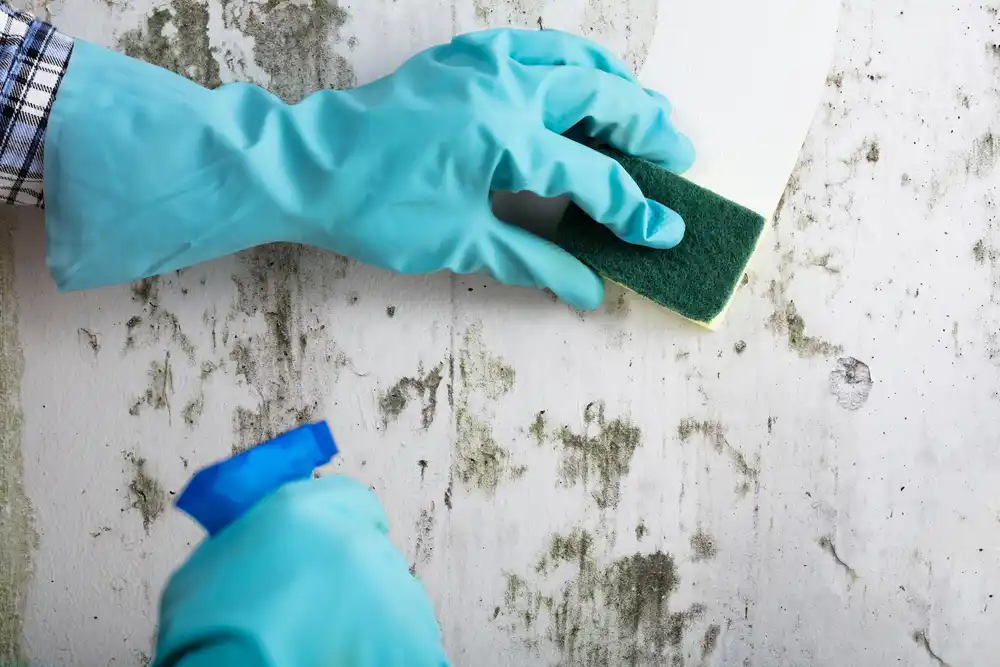
How to Remove Mould from Walls
Learn how small areas of surface mould may be treated, when DIY cleaning is unsuitable and when professional mould removal is required.
Damp and mould
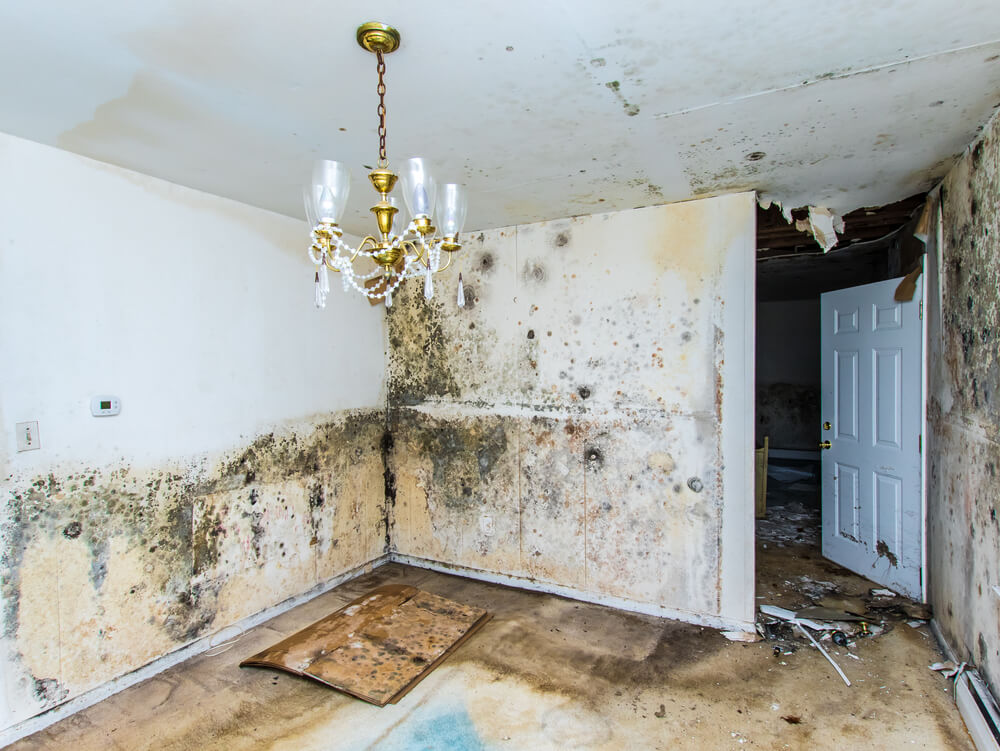
The Different Types of Damp and How to Remove It
Understand condensation, penetrating damp and rising damp, and why the underlying moisture problem must be addressed to prevent mould returning.
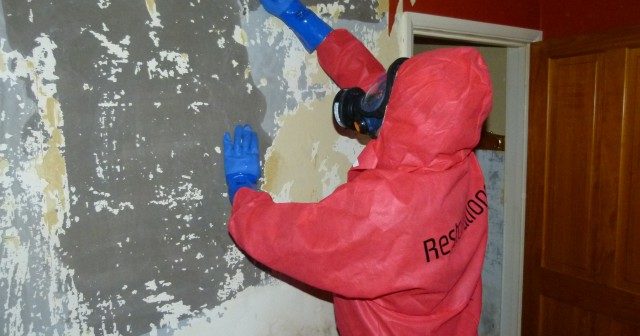
Social housing
Awaab’s Law and Mould Remediation: 2026 Guide
Guidance for social landlords on investigating damp and mould, meeting statutory timescales and arranging effective mould remediation.