


Targeted drying for walls, floors, concrete and localised water damage.
At Restorations UK, we provide specialist plastic enclosure drying services for targeted drying following leaks, floods and water damage.
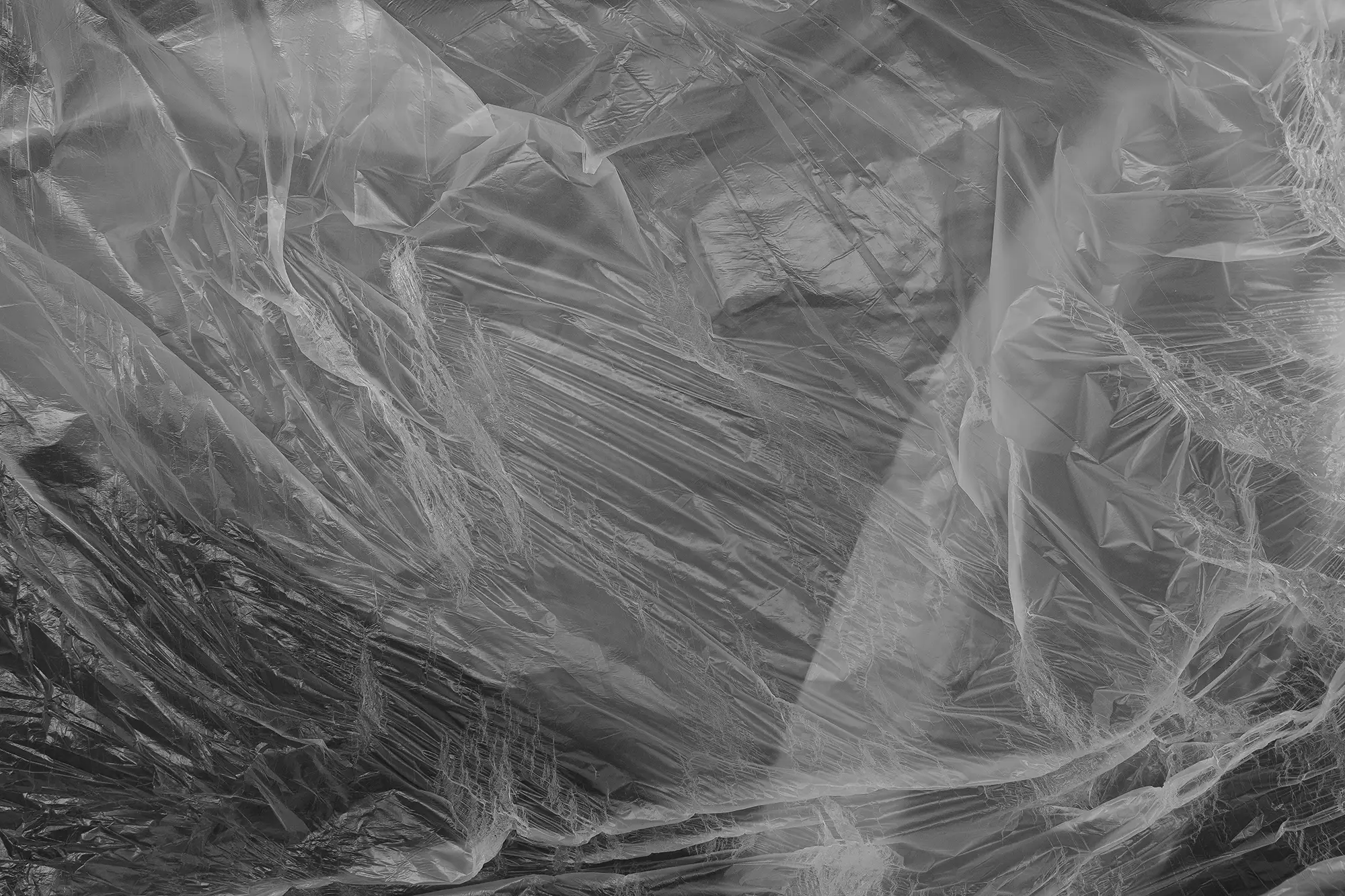
Plastic enclosure drying uses temporary sheeting to isolate the affected area and create a controlled drying zone. Dry air is directed under or behind the enclosure, concentrating the drying effect exactly where it is needed.
This method is especially useful when only part of a wall, floor, ceiling or concrete area is affected. Rather than drying the entire room unnecessarily, we can focus the drying process on the damaged material itself.
- Targeted drying for localised water damage
- Creates a controlled drying zone around the affected area
- Helps speed up drying of floors, walls and concrete
- Reduces the need to dry the whole room unnecessarily
- Useful for moisture-retaining materials
- Can protect surrounding finishes and contents
- Works with dehumidifiers, airflow systems and heat where suitable
- Suitable for domestic, commercial and construction environments
- Professional moisture monitoring throughout the drying process
-
Speak to an Expert 24/7 365 Days a Year
-
On-Site Within 2 Hours Anywhere in the UK
-
Get Back to Normality
Why Use Plastic Enclosure Drying?
Plastic enclosure drying is ideal when moisture is concentrated in a specific area.
After water damage, some materials hold moisture more stubbornly than others. Concrete, screeds, timber, plaster and layered constructions can remain damp even when the room air feels dry.
By enclosing the affected surface with plastic sheeting, we create a focused drying zone. Dry air is introduced into the enclosed space, forming a very dry climate directly against the wet material.
This increases the movement of moisture out of the affected area and helps the material dry faster.
Emergency 24/7 UK Coverage
Call now for an immediate DRYING response
If your home or business has been affected by flooding, a burst pipe, sewage water, storm damage or an escape of water, contact Restorations (UK) as soon as possible.
The sooner professional drying begins, the more likely it is that damage can be reduced and disruption kept under control.
Our Plastic Enclosure Drying Process
Targeted Drying for Affected Materials
The process begins with a moisture assessment to identify exactly where the water damage is located.
Once the affected area is confirmed, we install a temporary plastic enclosure around the material that needs drying. This may be used on floors, walls, ceilings, concrete areas, timber sections or localised water-damaged zones.
The enclosure helps separate the drying area from the rest of the room, allowing us to create a controlled microclimate around the damaged material.
Creating a Controlled Drying Zone
Dry air is then directed into the enclosed area using specialist drying equipment.
This creates a concentrated dry-air cushion around the wet material, encouraging moisture to move out of the surface and into the air. Dehumidifiers then remove that moisture from the environment.
Where appropriate, controlled heat may also be used to speed up the process. The system is monitored throughout to ensure drying remains safe, stable and effective.
Plastic Enclosure Drying FAQs
Plastic enclosure drying is a method where the affected area is covered or sealed with temporary plastic sheeting so dry air can be concentrated directly onto the wet material.
It helps focus the drying process, speeds up moisture removal and avoids drying the whole room when only one area is affected.
It can be used on floors, walls, concrete, timber, plaster and other materials depending on the type and extent of the water damage.
Yes. Because it targets the damaged area, it can reduce unnecessary equipment spread and help protect surrounding materials.
Yes, where appropriate. Controlled heat can improve drying speed, but it must be managed carefully to avoid damaging materials.