



Fire damage to a building, of any scale, is a serious danger to human health and life. Smoke and soot residue create chemicals that, over time, break down and can cause serious illnesses for not only the people in that specific part of the building, but potentially the entire premises.
Cleaning up smoke and soot residue is an arduous task, and one that is best left for professionals, as they will have the correct PPE, and access to materials and chemicals that consumers don’t.
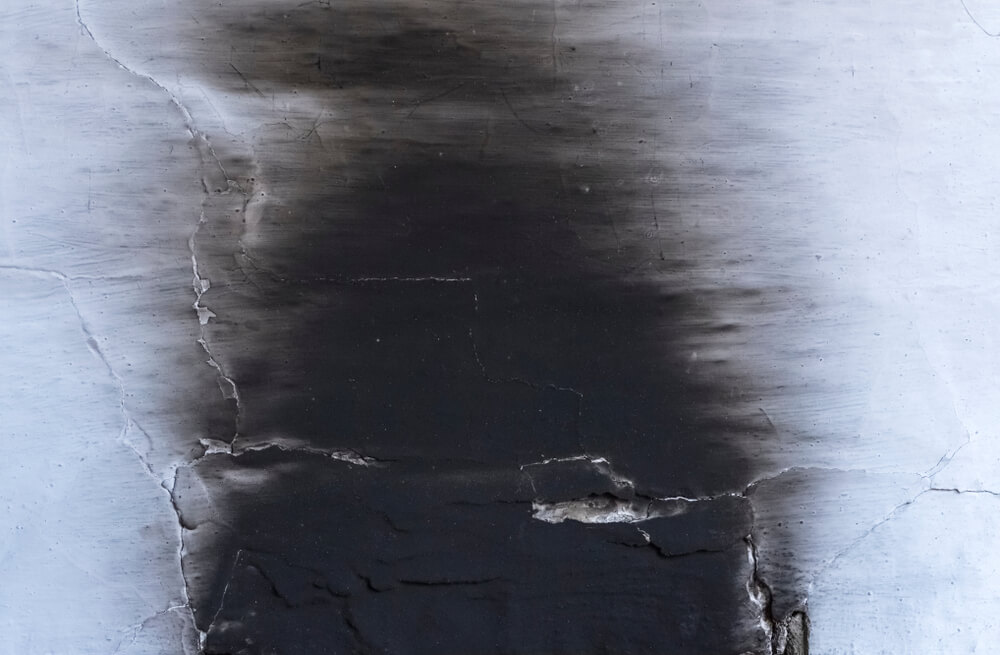
Soot contains tiny, invisible-to-the-naked-eye toxins that have formed when non-organic compounds, or plastics containing halogen, burn. These don’t just cause immediate damage – if not fully removed, the damage will slowly erode your walls and the building itself over time.
If you’re prepared, there are some steps you can take to clean very small patches of soot and smoke from walls, but we’d always strongly encourage getting in touch with an expert to protect your health.
Before any work commences, you must put on full protective gear, including a single-use apron, gloves, goggles or eye covers, and a respirator. If you have a hazmat suit, or boiler suit, wear this, but ensure anything that is not single use is fully washed before using again.
You will need to purchase a chemical dry-cleaning sponge; most builders’ merchants will sell such a thing. This is a sponge that is made to absorb residue and doesn’t actually contain chemicals. You will also need to rent a high-power vacuum cleaner from a builders’ merchant that is suitable for dealing with soot, as your domestic one won’t be.
Identify the Type of Smoke and Soot Damage
Before cleaning begins, it is important to identify the type of smoke residue and the material beneath it. Using the wrong product or adding moisture too early can spread soot, drive residue further into porous surfaces or leave permanent staining.
Dry smoke residue is often fine and powdery and can travel into adjoining rooms and concealed spaces.
Wet smoke residue is typically sticky, smeary and strongly odorous.
Protein smoke residue, commonly associated with kitchen fires, may be difficult to see but can leave a greasy film and persistent odour on walls, ceilings, cabinets and appliances.
Fuel-oil soot may require specialist degreasing and decontamination.
Professional smoke damage cleaners assess the residue and affected materials before selecting a cleaning method.
When You Should Not Clean Fire or Smoke Damage Yourself
Do not attempt DIY fire cleaning where there is extensive soot, structural damage, contaminated fire-fighting water, damaged electrical systems, unknown burned materials, persistent smoke odour or contamination across several rooms.
Avoid disturbing dry soot until the affected area has been assessed. Ordinary domestic vacuum cleaners and unsuitable cleaning methods can redistribute fine residue and make the damage more difficult to remove.
Once the emergency services have declared the building safe, a professional fire damage survey can establish the extent of the cleaning, contents restoration and repair work required.
1. Prepare the Area for Smoke and Soot Cleaning
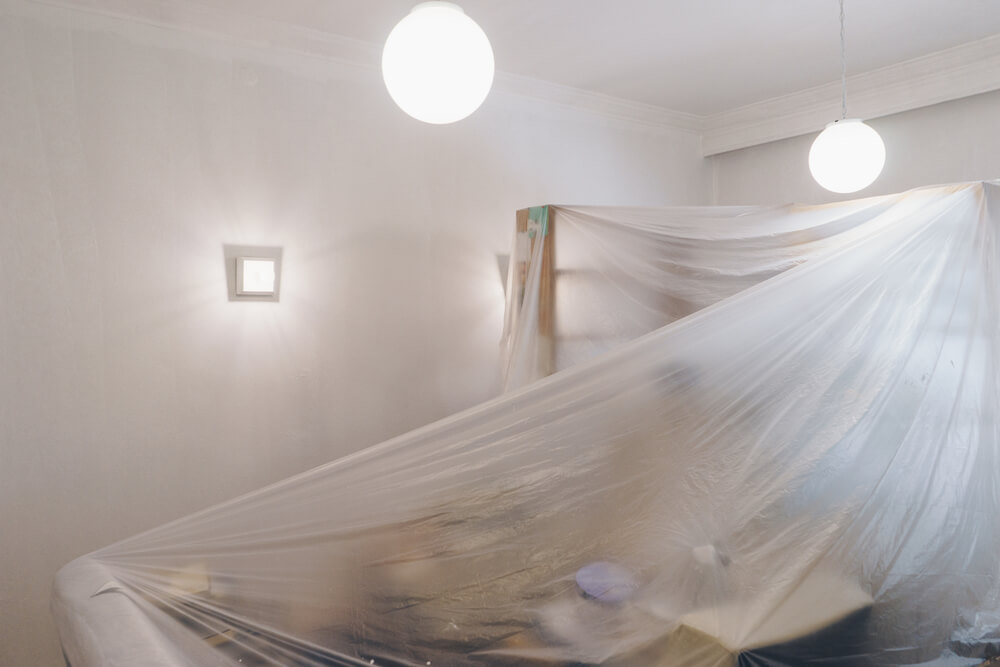
Put down plastic dust sheets on areas like the carpet, windows, and items of furniture that cannot be removed from the room. Tape them securely with masking tape to ensure they don’t move and expose any gaps.
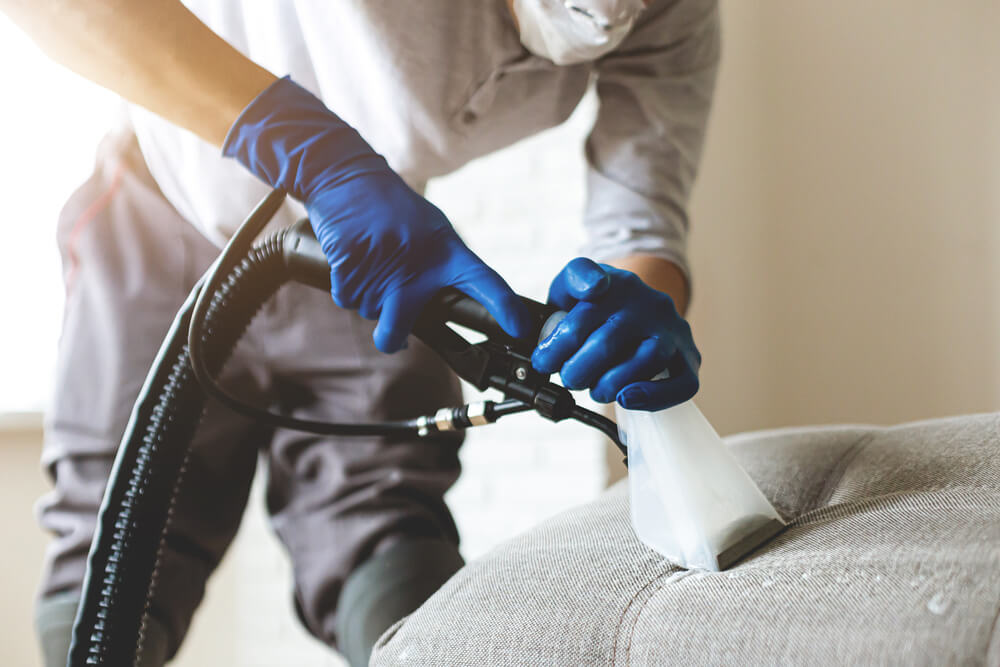
Remove any furniture that can be moved and using the high-power vacuum you rented, hoover the furniture completely and if it is fabric, consider getting any removable parts professionally dry cleaned.

2. Ventilate well
Ventilation is of paramount importance when removing soot and smoke from walls. We would recommend opening as many windows as possible, or combining with the use of professional air movers. The more ventilation the better as it forces soot to go outside rather than remain in the premises.
3. Begin by vacuuming
Using a high-powered vacuum, remove all loose soot from the walls and any exposed surface.
Be gentle here, because the residue will be greasy, scratching the surface or moving the soot around will make future steps a lot harder and potentially lodge it further into the surface.
4. Use the sponge
As mentioned earlier, a dry-cleaning sponge is the only one you can use. Any other sponge will push the soot around and further into the wall.
Gently wipe any affected area with the sponge, checking in between every wipe that the sponge is not fully covered. As soon as it’s fully covered, either cut the affected area off or use a different part.
If there is any damp on the walls, then wait until it’s fully dry. Never wet your dry-cleaning sponge as this renders it useless.
Once the dry-cleaning sponge has picked up all it can, it’s time to use a degreaser.
5. Degrease Smoke-Damaged Walls
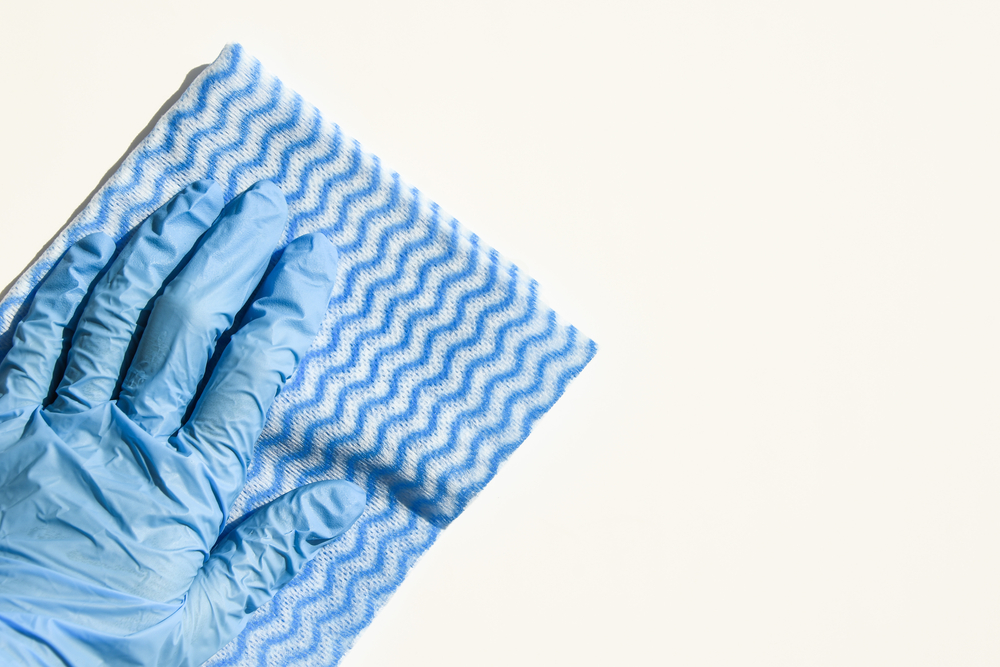
Using a commercial soot and smoke degreaser is your best bet here. You’ll need a clean cloth, or several, as every wall needs wiping. Have a clean bucket of hot water and dilute the concentrate in it. With that, use another bucket of hot water to rinse your cloth out. Then using the same gentle wipes used for the dry cleaning sponge, use the same approach but wipe down every single wall, as well as items including the lightbulbs.
As soon as the water gets smoky, either through smell or look, replace it to avoid spreading soot around.
You may need multiple coats of degreaser to remove all residue.
6. The final wash
Once the degreaser is coming up clear on every wipe, carefully dispose of the diluted solution according to local disposal laws.
Then, using a bucket of fresh hot water, fully wipe down walls to remove excess degreaser left behind.
Towel dry the walls and then, using a combination of industrial fans and ventilation, let the walls air dry for several hours.
Remove all dust sheets carefully so as to not ruin your hard work by recirculating soot. Then place any clothes in the wash or take them to a specialist dry cleaner to ensure you’re not carrying around residual soot with you.
Kitchen Fire Cleaning and Protein Smoke Residue
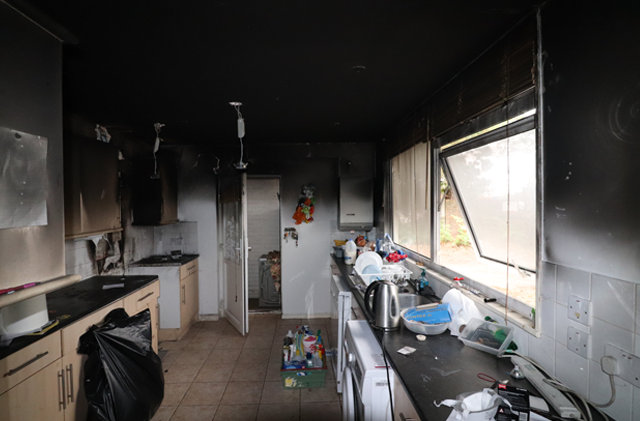
Kitchen fires can leave protein-based smoke residue across walls, ceilings, cupboards, appliances and adjoining rooms. Unlike dark soot, protein residue can be almost invisible while leaving a greasy film and a persistent burnt odour.
Effective kitchen fire cleaning may involve degreasing hard surfaces, cleaning or removing contaminated porous materials, treating smoke odours and checking areas beyond the kitchen where airborne residue has settled. Redecorating before the contamination has been removed can allow staining and odours to return.
Restorations UK provides professional kitchen fire cleaning as part of its complete fire damage restoration service, including smoke and soot removal, contents cleaning, odour treatment and building repairs.
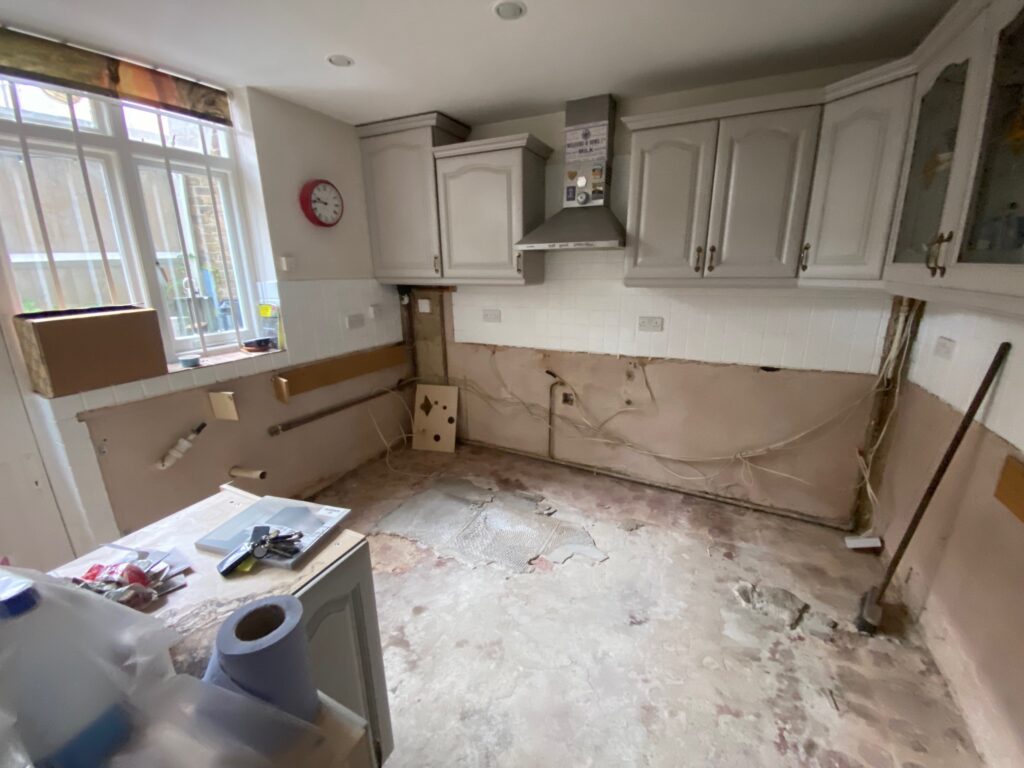
Domestic Kitchen Fire Cleaning and Restoration by Restorations UK – Before and After
This project involved professional fire cleaning, smoke cleaning and smoke damage repair throughout the affected kitchen.

Employ An Expert
This process is a lengthy one and doesn’t guarantee the complete removal of soot from your home. With such a dangerous and toxic residue in your home, it’s best to employ an expert who will have guarantees, access to the correct equipment and a suitable process.
Restorations [UK] have over 35 years’ experience in fire damage restoration, and have specialist fire decontamination units and trained teams available.
As part of our process, we send out a surveyor to speak with you and understand the restoration needed. This enables us to provide you with an accurate quote and timeframe. Then we deploy our team to your location to begin the restoration process.
If you’ve got soot or smoke damage on your walls, don’t hesitate to get in touch.