
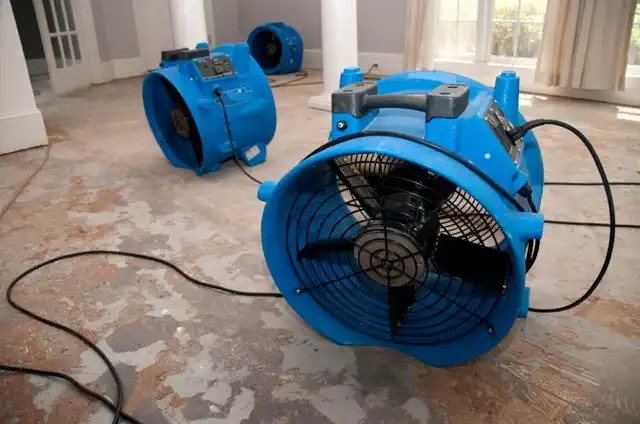


Professional dehumidification for water damage, damp rooms and moisture control.
At Restorations UK, we provide professional dehumidification drying services for homes, businesses, landlords, insurers and construction environments affected by water damage or excess moisture.
Dehumidification drying uses specialist equipment to reduce moisture in the air and help wet materials release trapped water. It is commonly used after leaks, floods, burst pipes, damp problems and escape of water incidents.
While household dehumidifiers may help with minor condensation, water damage usually requires professional equipment, moisture monitoring and a controlled drying plan. Our technicians assess the affected area and install the right drying equipment for the property, materials and level of moisture involved.
- Professional dehumidification after leaks and flooding
- Helps dry rooms, walls, floors, plaster, timber and contents
- Suitable for water damage and excess humidity
- Reduces moisture in the air and affected materials
- Can be used alongside air movers, heat and other solutions
- Helps reduce the risk of mould, damp smells and damage
- Suitable for domestic, commercial and construction
- Useful as part of wider structural drying works
- Professional moisture monitoring throughout the drying process
-
Speak to an Expert 24/7 365 Days a Year
-
On-Site Within 2 Hours Anywhere in the UK
-
Get Back to Normality
Why Use Professional Dehumidification?
After water damage, moisture does not only sit on the surface.
Water can soak into plaster, timber, flooring, insulation, concrete, screeds and furnishings. As these materials begin to dry, moisture is released into the air. If that moisture is not removed, the room can remain damp and drying can slow down significantly.
Professional dehumidification helps control the drying environment. By reducing humidity, we create conditions that encourage wet materials to release moisture more effectively.
This can help speed up drying, reduce damp odours and lower the risk of mould growth or secondary moisture damage.
Dehumidification is often used as a primary drying method for affected rooms, and it can also support more targeted methods such as pressure drying, suction drying, floor joist drying and plastic enclosure drying.
Emergency 24/7 UK Coverage
Call now for an immediate DRYING response
If your home or business has been affected by flooding, a burst pipe, sewage water, storm damage or an escape of water, contact Restorations (UK) as soon as possible.
The sooner professional drying begins, the more likely it is that damage can be reduced and disruption kept under control.
Our Dehumidification Drying Process
Moisture Assessment and Equipment Setup
The process begins with an assessment of the affected room or area.
Our technicians check where moisture is present, which materials have been affected and whether the water damage is surface-level or hidden within the building fabric.
We then install the most suitable drying equipment for the situation. This may include professional dehumidifiers, air movers, controlled ventilation, heat-assisted drying or targeted drying systems depending on the extent of the damage.
The aim is to create a controlled drying environment, not simply place equipment in the room and hope for the best.
Controlled Drying and Moisture Monitoring
Once the equipment is installed, the drying environment is monitored.
Dehumidifiers remove moisture from the air, while air movement helps wet surfaces and materials release moisture more evenly. Where suitable, heat may also be used to improve drying conditions.
Throughout the process, moisture readings are taken to track progress and check whether the affected materials are drying correctly.
This professional monitoring helps prevent under-drying, over-drying and unnecessary disruption.
Dehumidification Drying FAQs
Dehumidification drying uses specialist equipment to remove moisture from the air and help wet materials dry after leaks, flooding or excess humidity.
A household dehumidifier may help with minor damp or condensation, but water damage usually requires professional drying equipment and moisture monitoring.
It can help dry rooms, walls, floors, plaster, timber, concrete, screeds, furnishings and general building materials depending on the type and severity of the moisture problem.
If moisture is trapped inside a floor, wall, cavity or layered construction, additional methods such as pressure drying, suction drying or plastic enclosure drying may be needed. Air movers should always be used alongside dehumidifiers to accelerate the drying process.
Drying time depends on the amount of water, the materials affected, ventilation, temperature and the size of the area. We monitor the process using moisture readings rather than guessing.
Yes it will reduce the conditions that allow mould to develop by lowering
humidity levels. If mould is already present, separate mould remediation may
be required.