


Restorations UK carried out extensive domestic flood restoration after heavy rainfall caused severe flooding throughout a residential property, with floodwater reaching approximately two feet deep.
The response began with water removal, cleaning and decontamination before an agreed strip-out and specialist drying programme addressed moisture trapped within the building. Restorations UK completed the drying process within four weeks, leaving the property ready for its builders to begin reinstatement.
Key Project Details
Client: Private homeowner / policyholder
Property Type: Domestic residential property
Incident: Severe flooding following heavy rainfall
Flood Depth: Approximately two feet throughout the property
Services: Water extraction, cleaning, decontamination, antimicrobial treatment, strip-out and specialist drying
Contents: Removed and sent to a furniture restoration specialist
Structural Work: Wet cavity insulation removed and cavities dried using forced air
Drying Time: Four weeks
Outcome: Property dried and ready for building reinstatement
Floodwater Reached Approximately Two Feet Throughout the Home
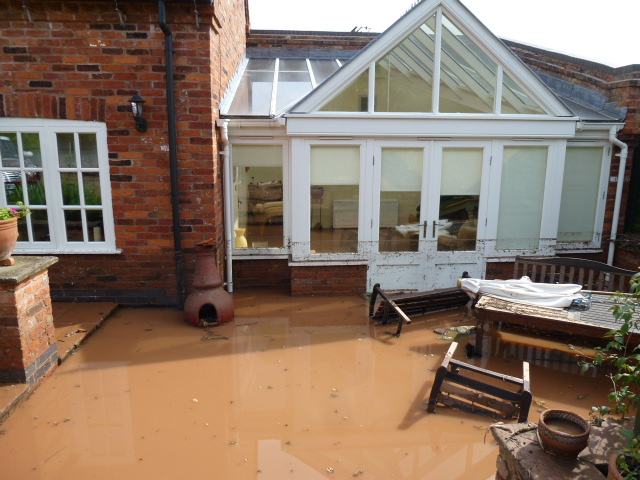
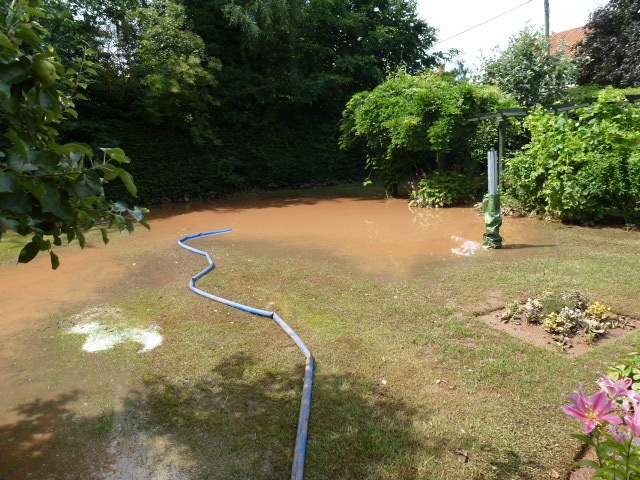
The property suffered extensive flooding after heavy rain affected the surrounding valley and water entered the home.
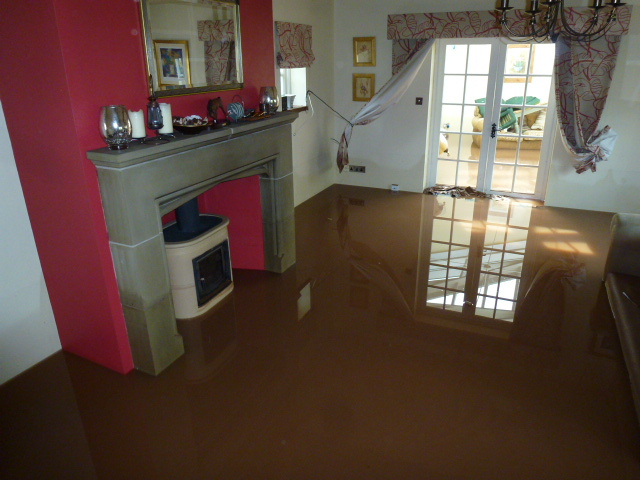
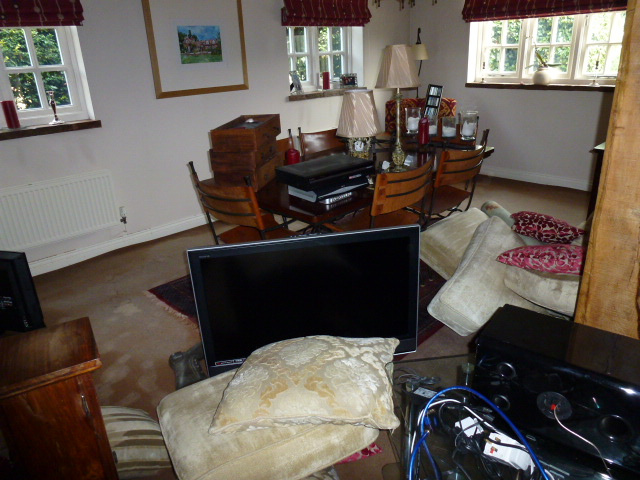
Floodwater spread throughout the property to a depth of approximately two feet. The water line remained visible around the lower walls and doors, while the lounge, conservatory, kitchen and other living areas were left under contaminated floodwater and silt.
Restorations UK Began With Cleaning and Decontamination
The policyholder contacted Restorations UK directly following the incident. With the homeowner understandably distressed by the scale of the damage, the immediate priority was to make the property cleaner and safer before the more disruptive strip-out work began.
Restorations UK began extracting floodwater while carrying out cleaning and decontamination throughout the affected areas. An antimicrobial treatment was also applied as part of the initial contamination-control process.
This initial stage allowed the immediate flood contamination to be addressed while the policyholder and loss adjuster considered the longer-term restoration work required.
Flood-Damaged Contents Were Removed for Specialist Restoration
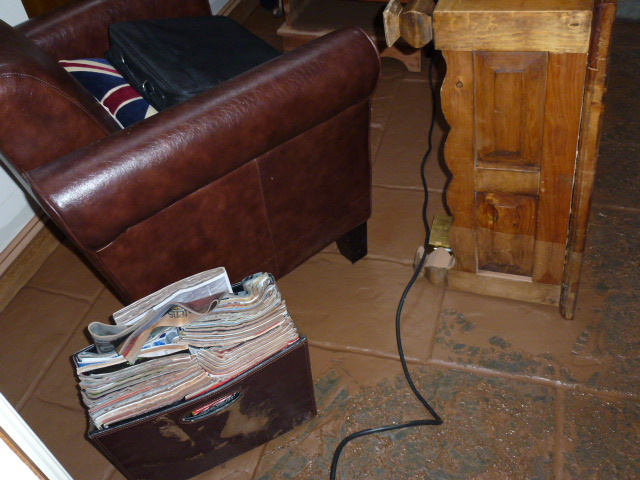
Furniture and other contents had also been affected by the floodwater and silt.
The affected contents were removed from the property and sent to a furniture restoration specialist so the building itself could be cleaned, assessed and dried.
Removing Silt and Contamination From the Kitchen
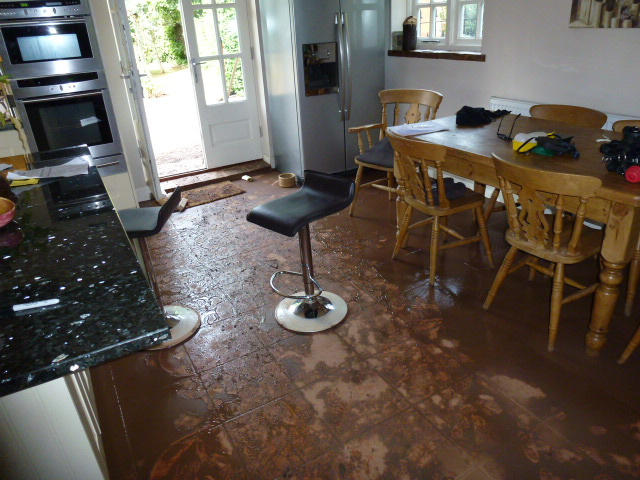
The floodwater had deposited significant quantities of silt through the property, including across the kitchen floor and surrounding contents.
Restorations UK used truck-mounted extraction equipment during the cleaning and decontamination process. Once the affected areas had been cleaned, the policyholder was able to remain at the property while sorting belongings and discussing the required works.
Strip-Out Began After the Required Works Were Agreed
Restorations UK met with the policyholder and loss adjuster to agree what work would be required to properly dry the property.
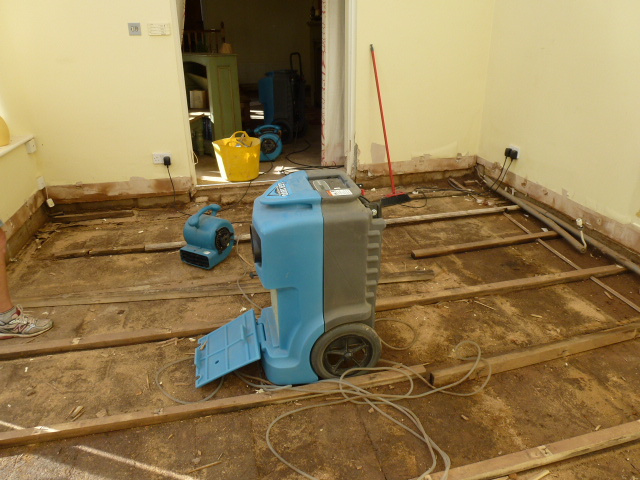
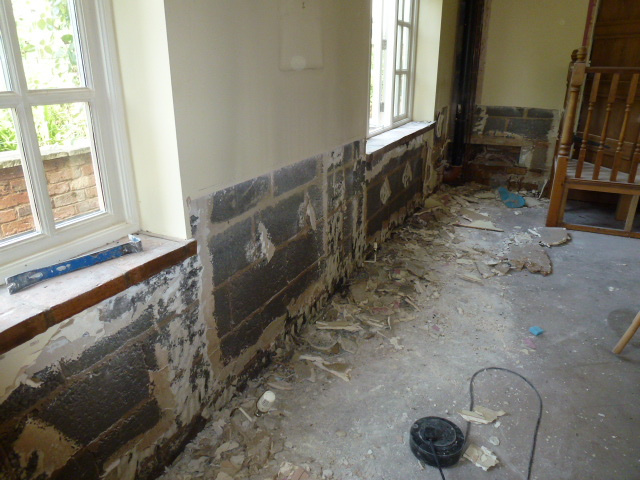
Once the scope had been agreed, damaged finishes and materials were stripped out to expose areas where moisture remained within the building construction.
This stage was necessary because floodwater had penetrated beyond the visible surfaces and into floors, walls and insulated cavities.
Wet Cavity Wall Insulation Had to Be Removed
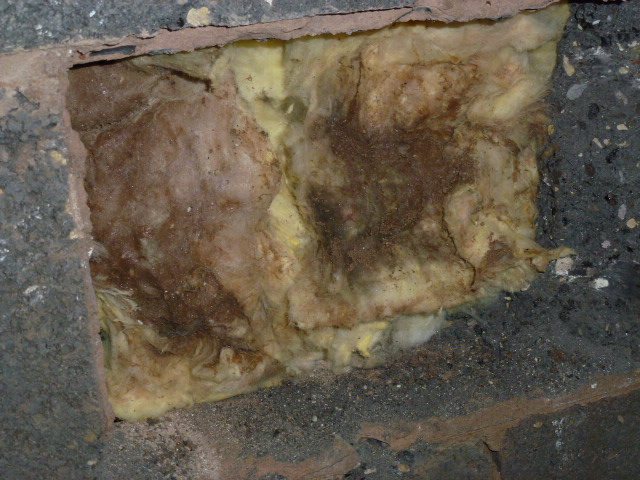
Inspection of the wall cavities showed that the insulation had also become saturated by the floodwater.
Wet insulation can retain moisture deep within the building even after the surrounding rooms appear dry. In this property, the affected cavity wall insulation therefore needed to be removed before the cavities themselves could be properly dried.
Removing trapped moisture was important to reduce the risk of future damp and mould growth developing inside the reconstructed property.
Specialist Drying of the Building Cavities
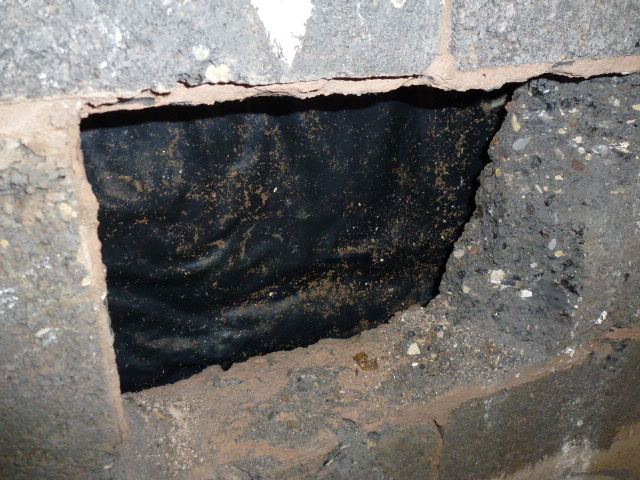
Once the affected insulation and damaged materials had been dealt with, Restorations UK continued the specialist drying programme.
Forced air was introduced into the exposed cavities to help remove moisture retained within the hidden building structure.
This allowed the drying process to reach areas that conventional room dehumidification alone may not have addressed effectively.
Why Hidden Moisture Matters After a Major Flood
A property can appear substantially cleaner and drier while moisture is still retained inside insulation, wall cavities, floor structures and other hidden materials.
Professional flood restoration therefore needs to address both the visible effects of the incident and the moisture retained within the construction itself before reinstatement begins.
The Property Was Dried Within Four Weeks
Restorations UK completed the drying programme within four weeks.
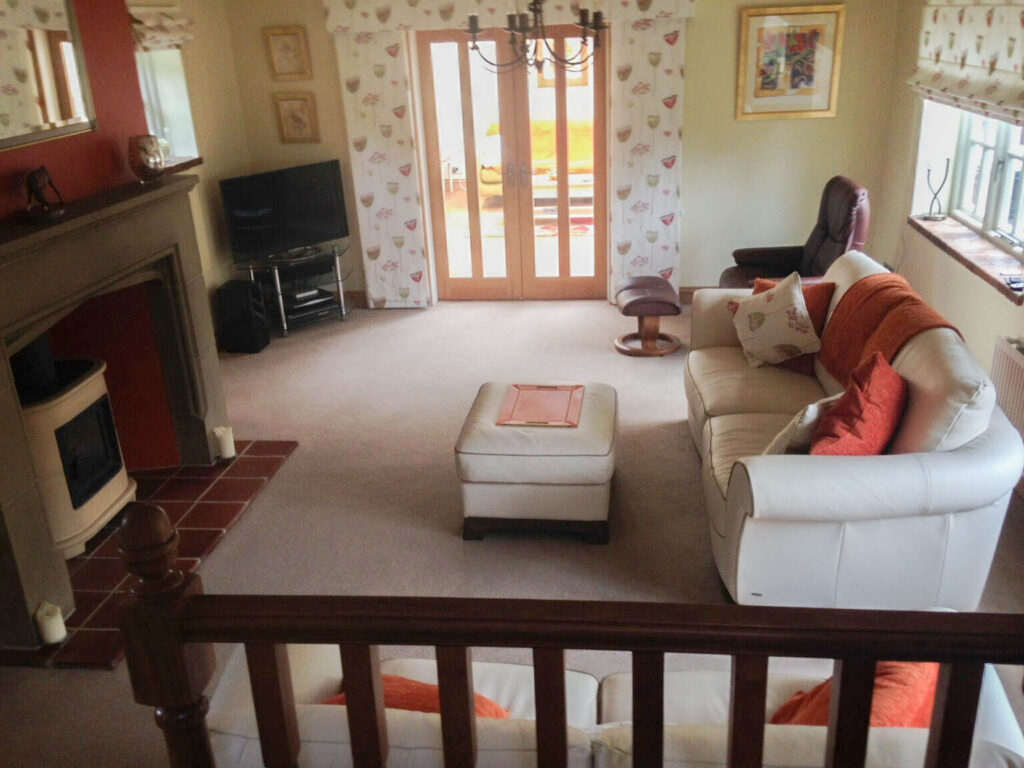
At that point the affected structure was ready for the policyholder’s builders to begin the building reinstatement stage.
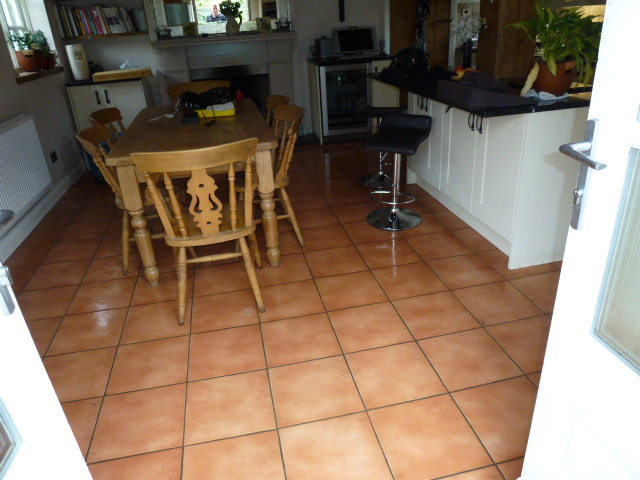
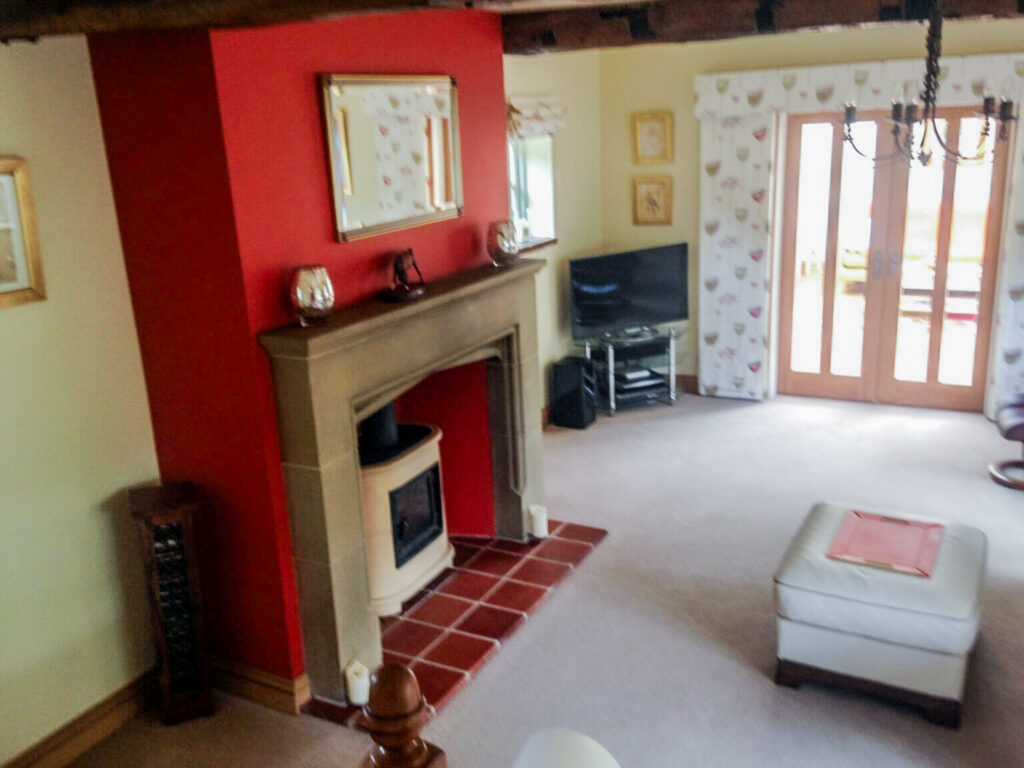
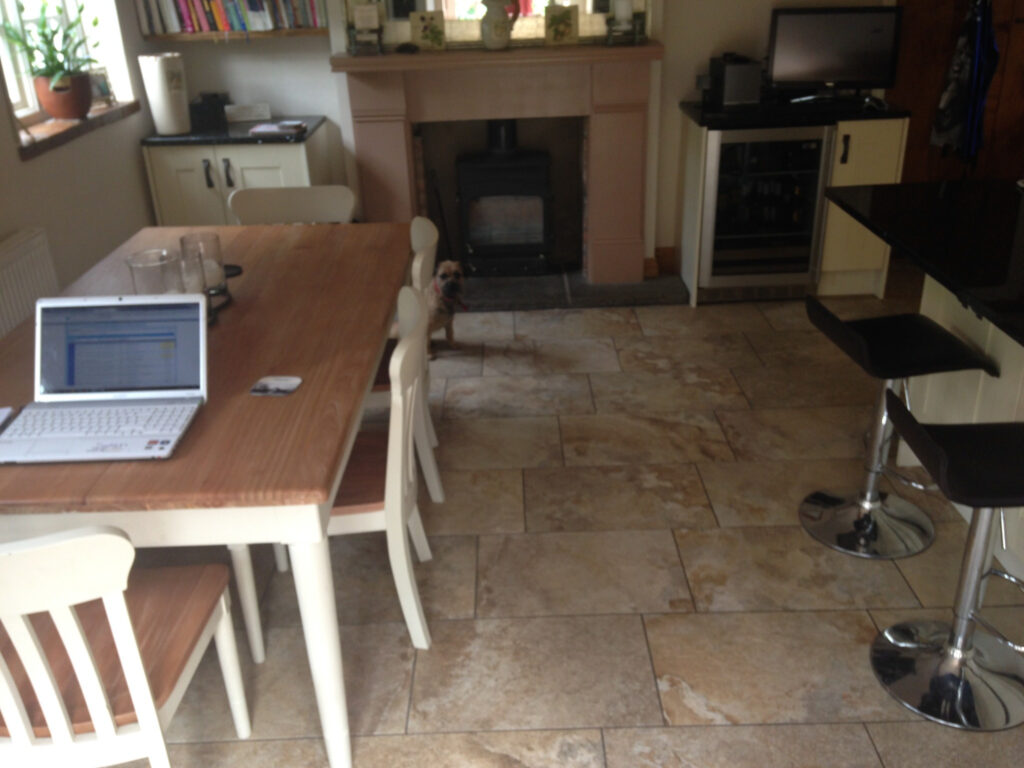
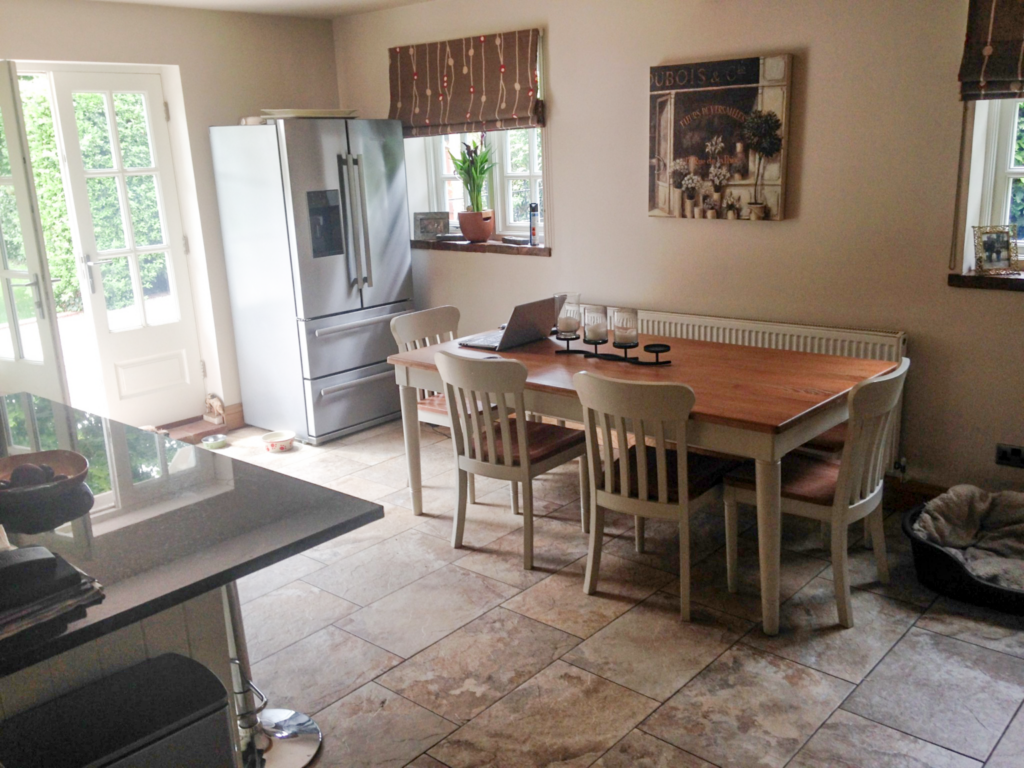
The completed photographs show the living areas and kitchen returned to use following the subsequent rebuilding and finishing work.
What This Domestic Flood Restoration Project Demonstrates
This project demonstrates the different stages required after severe domestic flooding. Removing standing water was only the beginning of the restoration process.
Restorations UK first addressed contamination and removed floodwater before the agreed strip-out exposed moisture retained within the floors, walls and cavities. Saturated insulation was removed and the remaining construction was then professionally dried before rebuilding could begin.
The four-week drying programme provided the dry building structure required for the subsequent reinstatement works, allowing the property to progress from severe flood damage toward its pre-incident condition.
Domestic Flood Restoration by Restorations UK
Restorations UK provides emergency flood restoration, water extraction, cleaning, decontamination and specialist drying for homes affected by flooding and serious escapes of water.
Our restoration teams can manage the immediate flood response through to structural drying, with building reinstatement and insurance claim repairs also available where required.
