


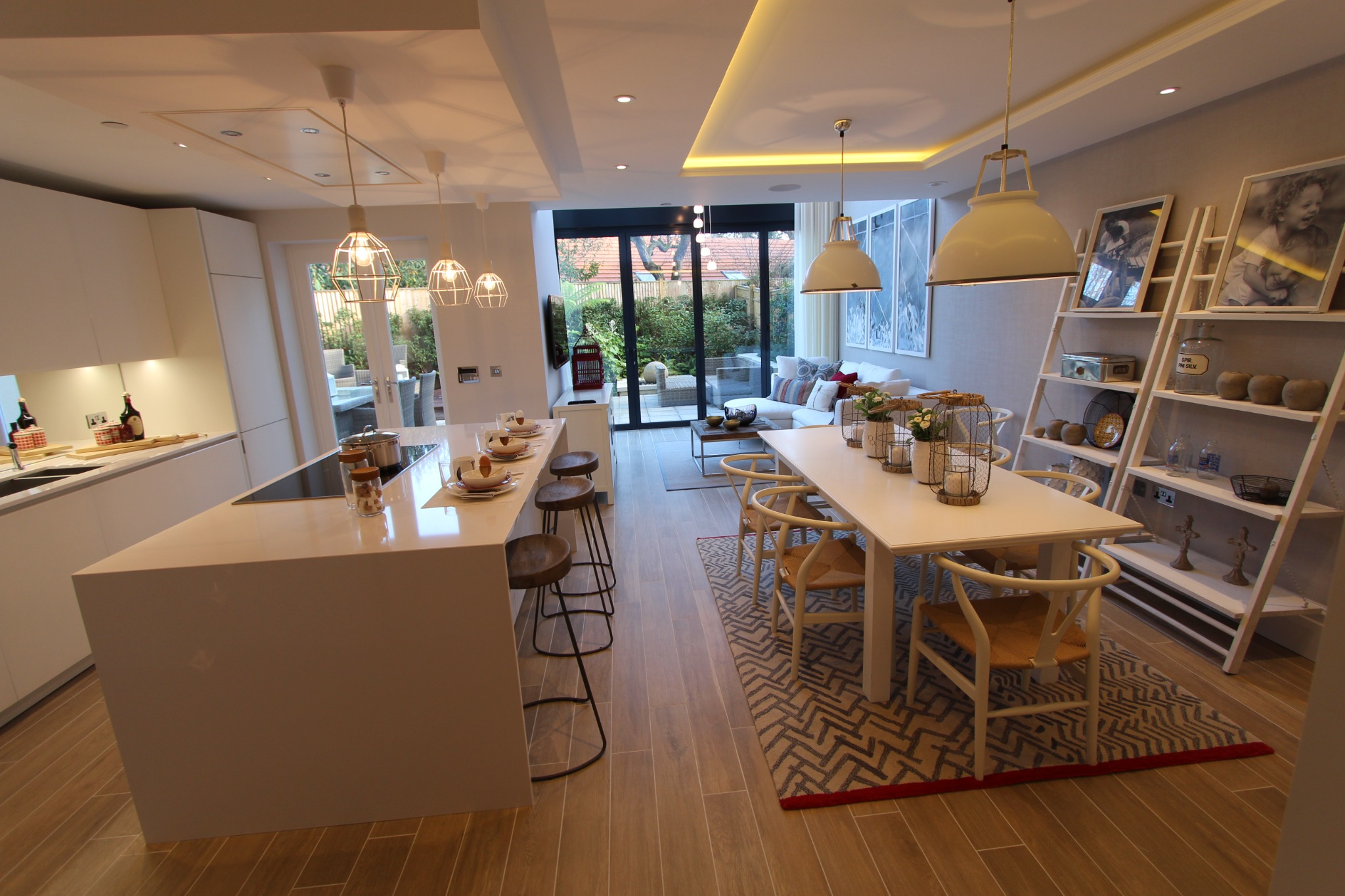
Restorations UK developed a specialist drying solution after flooding affected five newly built luxury properties following the failure of a main drainage pipe. Water had entered the basements and become trapped beneath completed tiled floors and within the underfloor insulation, with the properties due to be handed over to their purchasers in just four weeks.
Another restoration company had recommended removing completed kitchens, bathrooms, cinema rooms and tiled floors to reach the trapped water. Restorations UK proposed a considerably less disruptive approach, using targeted water extraction, thermal imaging and specialist drying to preserve the completed interiors and avoid costs exceeding £200,000.
Key Project Details
Client: Property developer
Property Type: Five newly built luxury properties
Incident: Failure of a main drainage pipe
Affected Areas: Basements, underfloor insulation, screed and wall cavities
Services: Leak investigation, water extraction, thermal imaging and specialist structural drying
Critical Deadline: Properties due for handover in four weeks
Alternative Proposal: Removal and reconstruction of kitchens, bathrooms, cinema rooms and tiled floors
Potential Cost Avoided: More than £200,000
Outcome: Properties dried and ready within three weeks with only limited tiles and skirting boards removed
Water Trapped Beneath Five Newly Built Properties
Restorations UK was appointed to investigate flooding at five newly built luxury properties. A failure within the main drainage system had allowed water to enter the basements of all five properties.
Our technicians used ultraviolet tracer dye to confirm the source of the leak, allowing the damaged drain to be identified and repaired. By this stage, however, significant quantities of water had already become trapped within the completed floor construction.
The timing was particularly important because the new owners were preparing to move in and the properties were due to be handed over in only four weeks.
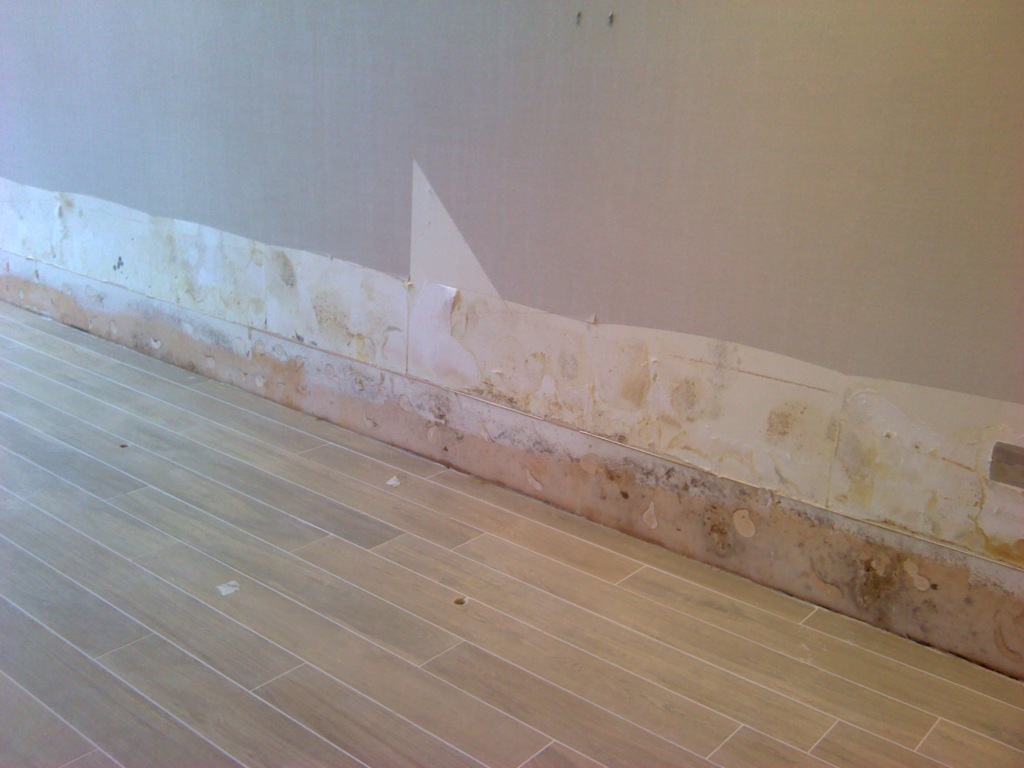
A £200,000 Strip-Out Had Been Recommended
A second restoration company recommended stripping out the completed interiors to access the water trapped beneath the floors.
The proposed work included removing kitchens, bathrooms, cinema rooms and tiled floors. Specialist kitchen components would then have needed to be remanufactured and several completed rooms rebuilt.
The estimated cost exceeded £200,000 and the extensive reconstruction would also have put the planned handover dates at significant risk.
Restorations UK Developed a Less Disruptive Drying Solution
Rather than dismantling the completed interiors, Restorations UK worked with the developer to develop a targeted specialist drying programme.
The aim was to reach the trapped water through a limited number of carefully selected access points, extract the water from beneath the floors and then dry the insulation, screed and surrounding structure without removing the completed rooms above.
Locating the Underfloor Heating Before Drilling
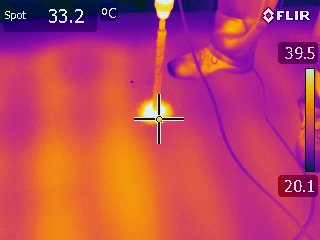
Before any access points were created, Restorations UK used thermal-imaging cameras to locate the underfloor heating pipes beneath the finished tiled floors.
This allowed our technicians to identify safe positions between the heating pipes before drilling through selected floor tiles and the screed beneath them.
Using thermal imaging before drilling reduced the risk of damaging the completed underfloor heating system while allowing the drying team to reach the wet insulation below.
Extracting Water Trapped Beneath the Tiled Floors
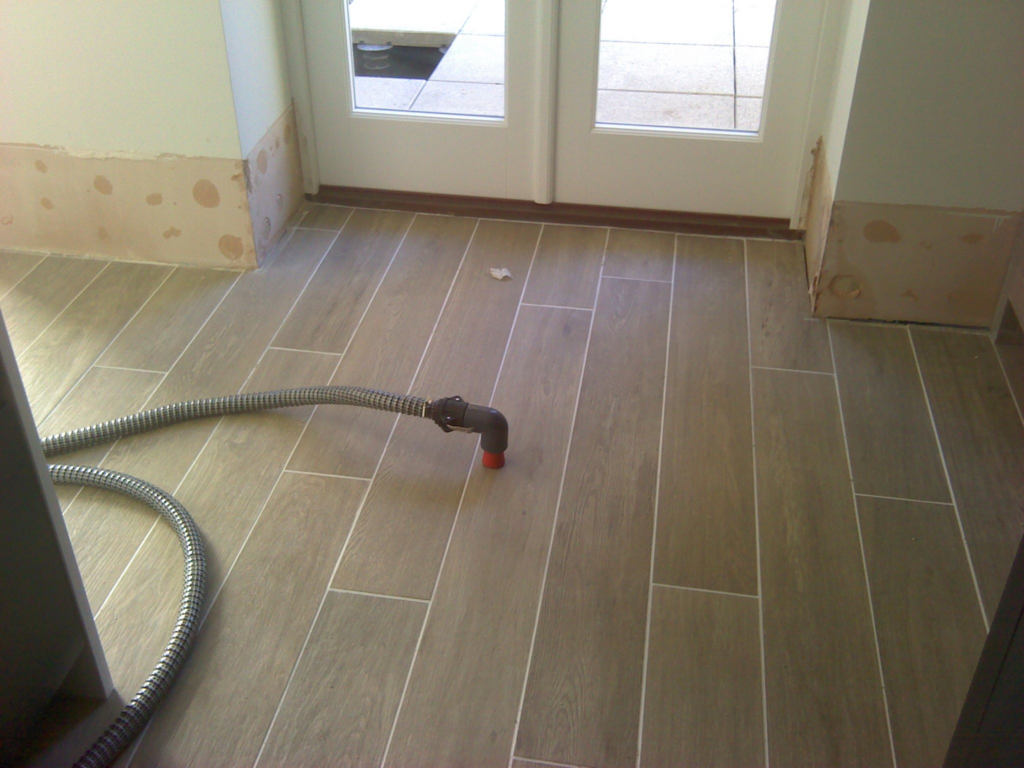
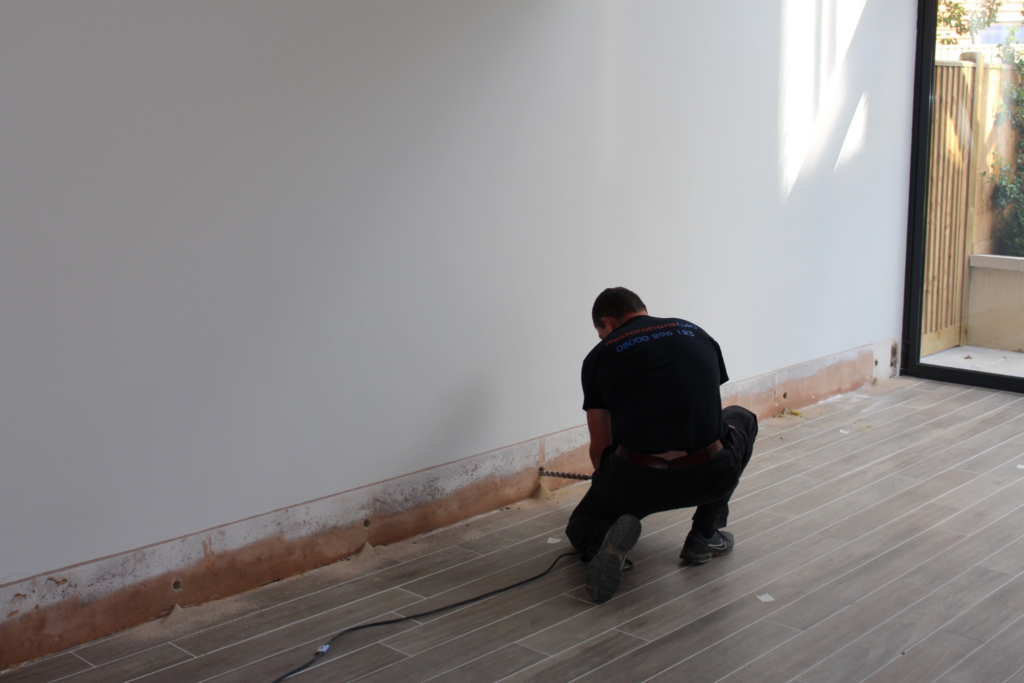
Once the safe drilling positions had been identified, a limited number of holes were created through selected tiles and the screed into the wet insulation below.
Extraction pipes were then installed through the access points and connected to specialist drying equipment.
The system initially operated under vacuum for five days, continually extracting trapped water from beneath the tiled floors and concrete slab. Approximately 200 to 300 gallons of water were removed from each property during this stage of the restoration.
Why Extracting the Trapped Water First Mattered
Water trapped inside insulation and beneath a finished floor cannot necessarily be removed by conventional surface drying alone. The construction itself can restrict airflow and hold significant quantities of water out of sight.
By creating controlled access to the affected layer, Restorations UK could remove the bulk water before moving into the next stage of the drying programme.
Push-Pull Drying of the Floor and Wall Construction
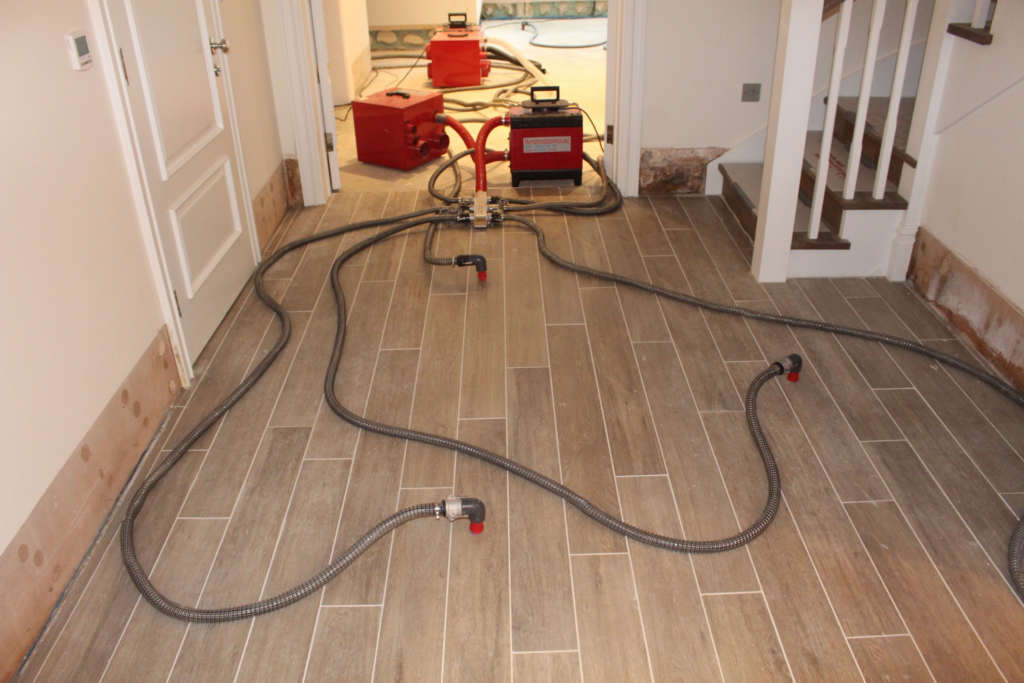
Following the initial extraction stage, Restorations UK changed the drying process and began forcing hot, dry air beneath the floors and through the affected structure.
This type of push-pull drying allows controlled airflow to be created through hidden cavities and insulation, helping moisture leave areas that would otherwise be extremely difficult to dry without extensive strip-out.
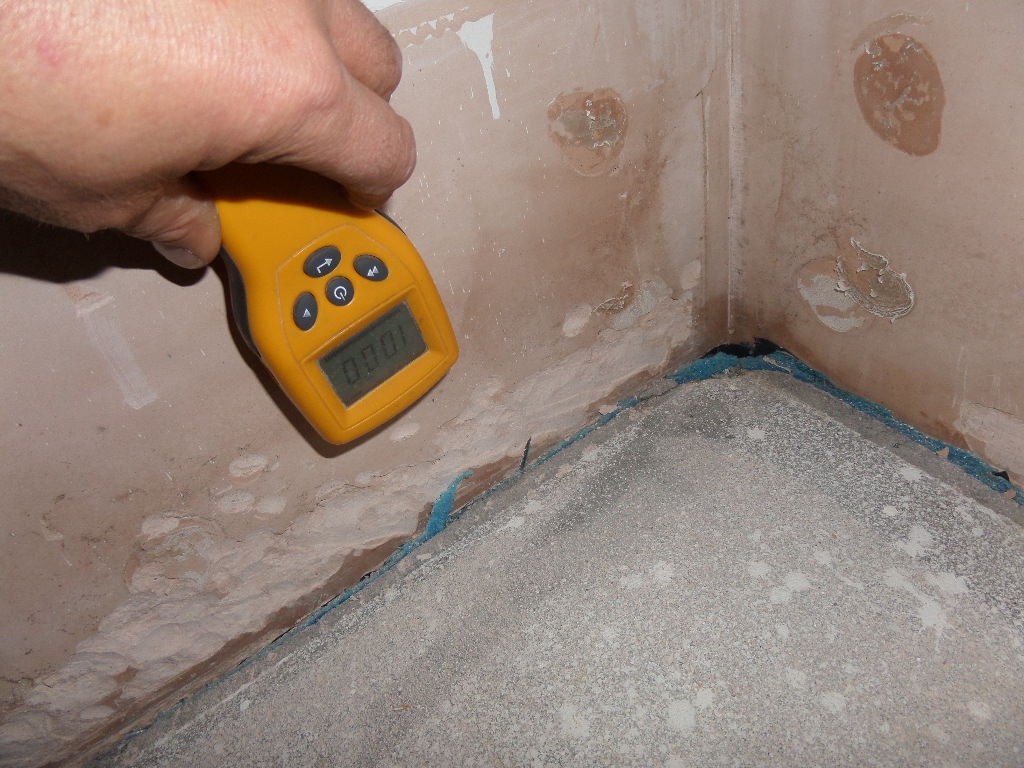
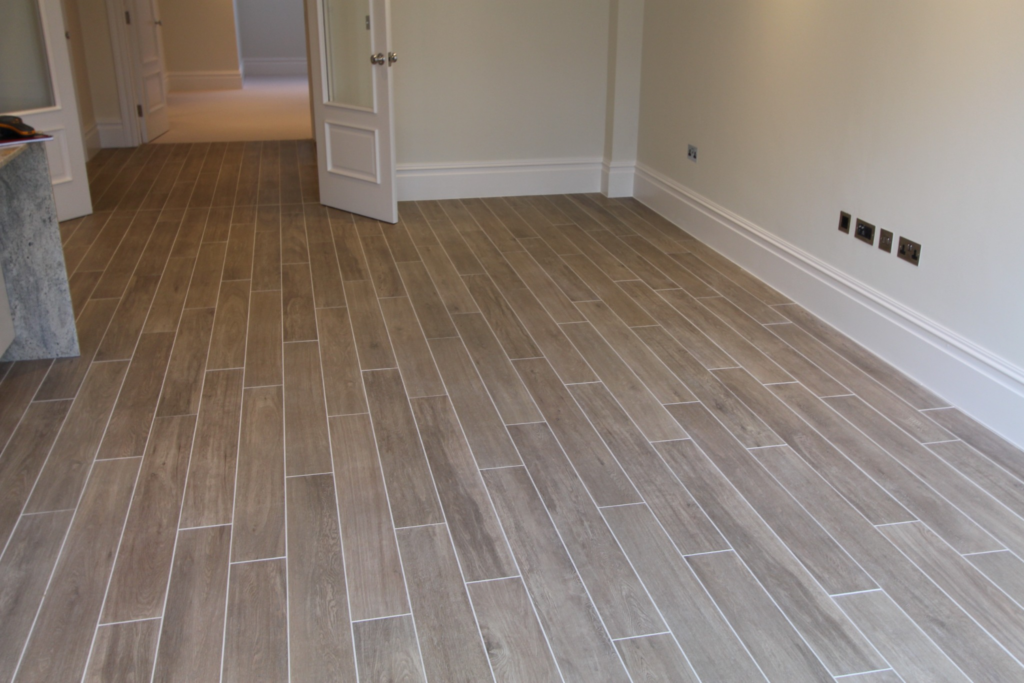
The floors and walls were dried over a further 14 days. The process allowed the majority of the completed interiors to remain intact, with only the skirting boards and approximately 20 tiles requiring removal.
Thermal Imaging and Remote Moisture Monitoring
Restorations UK continued to monitor the properties throughout the drying programme rather than relying on surface appearance alone.
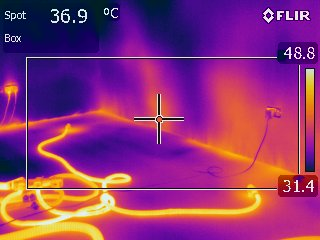
Thermal imaging showed the movement of the heated air beneath the floors and through the surrounding structure, providing a visual indication that the drying system was reaching the intended areas.
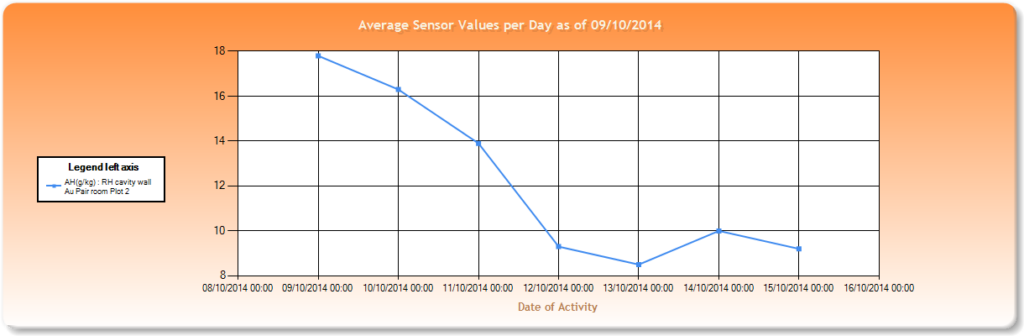
A remote monitoring system also collected drying data so that progress could be tracked as moisture levels reduced.
The Result: More Than £200,000 in Proposed Works Avoided
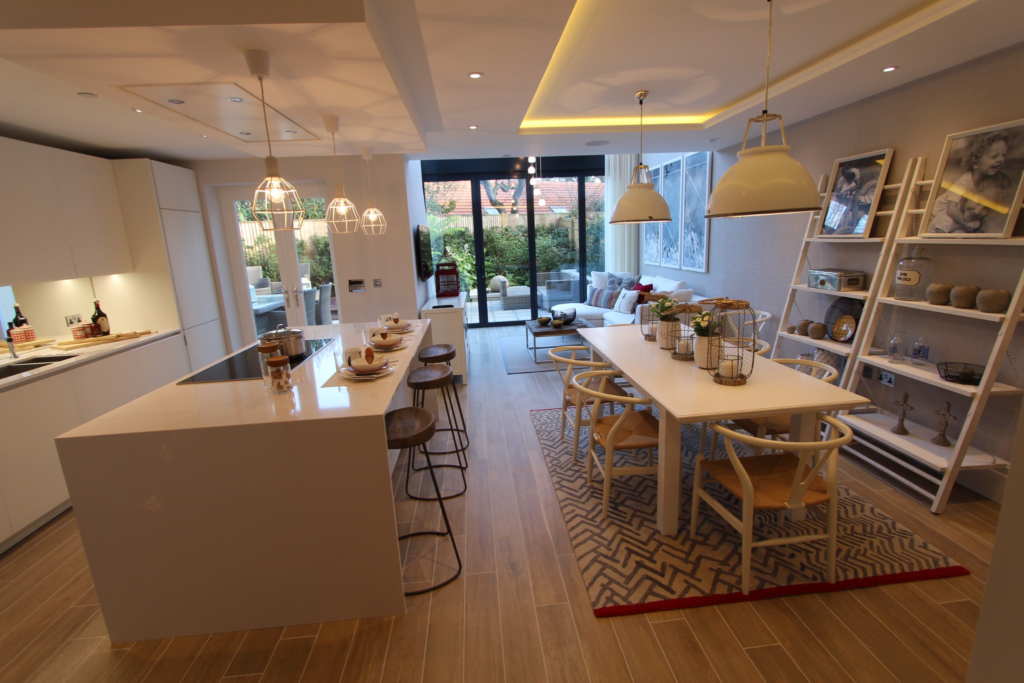
The targeted drying programme avoided the need to remove and reconstruct the completed kitchens, bathrooms and cinema rooms across the development.
Once the required moisture levels had been achieved, the drilled tiles were replaced, the skirting boards were reinstated and only minor decorative work was required.
The restoration work was completed within approximately three weeks, leaving the properties ready for furniture and helping the developer remain within the original four-week handover window.
By drying the affected construction in situ, Restorations UK prevented the extensive strip-out and reconstruction that had previously been proposed, avoiding costs in excess of £200,000 as well as substantial additional disruption and delay.
What This Specialist Drying Project Demonstrates
This project demonstrates why access to specialist drying techniques can significantly change the outcome of a complex water-damage claim. The first proposed solution involved dismantling large areas of five nearly completed properties simply to reach water trapped within the floor construction.
Restorations UK’s technicians instead investigated how the properties had been constructed, located the underfloor heating system, created controlled access points and extracted and dried the affected layers while preserving the majority of the finished interiors.
The result was a considerably less invasive restoration programme that reduced reconstruction, protected the developer’s handover programme and avoided more than £200,000 in proposed works.
Specialist Structural Drying by Restorations UK
Restorations UK provides specialist water damage drying for developers, construction companies, insurers, surveyors and property owners dealing with water trapped within floors, insulation, cavities and other building materials.
Our drying systems can combine water extraction, vacuum drying, controlled air injection, thermal imaging and moisture monitoring to target hidden water while minimising unnecessary strip-out and reinstatement.
