
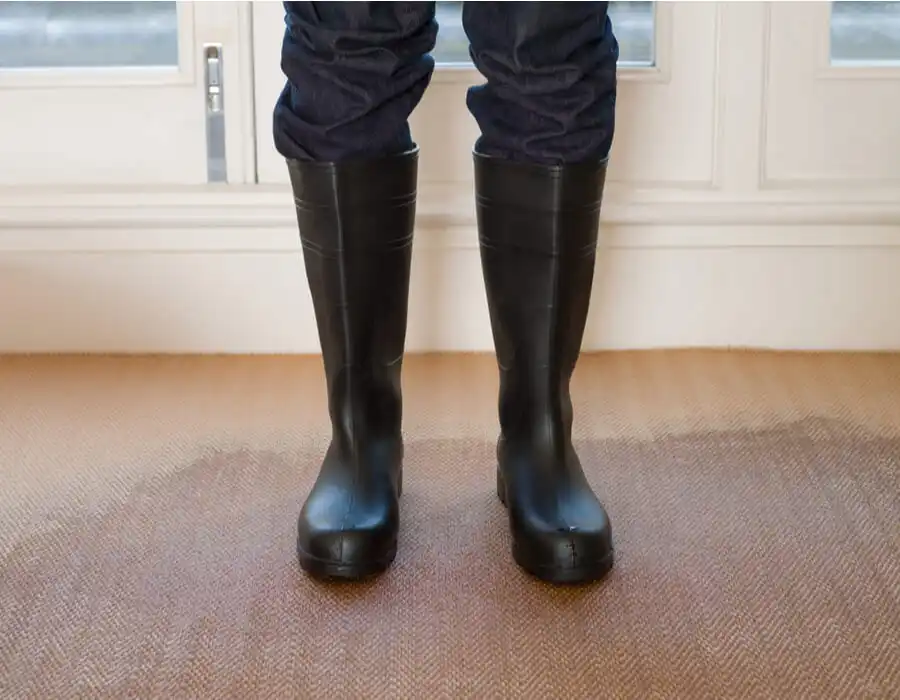


How to Dry Water-Damaged Carpet
Whether your carpet has been flooded at home or within your business, the quicker you dry your carpet out, the more likely you’ll be able to minimise damage to elements you cannot see. This prevents issues such as mould and structure damage from occurring.
How to Dry Carpet After a Leak
A leaking pipe, appliance leak, roof leak or bathroom overflow can leave you asking the same urgent question: how do I dry carpet after a leak?
The short answer is: act quickly, remove as much water as possible, improve airflow and reduce humidity. But the honest answer is that many carpets cannot be properly dried at home without specialist equipment.
That is because the visible carpet is only the top layer. Water can soak through into the underlay, floorboards, concrete, insulation, skirting boards and nearby wall cavities. The surface may feel dry while moisture remains trapped underneath, creating damp smells, mould risk and further water damage.
If your carpet is wet after a leak, this guide explains what to do first, what not to do, and when professional carpet drying is the safer option.
What to Do Immediately After a Carpet Leak
What to Do Immediately After a Carpet Leak.
If it is safe to do so, take these steps as soon as you notice the leak:
- Stop the source of water
Turn off the water supply if the leak is from a pipe, appliance or plumbing fitting. If the leak is from above, contain dripping water where possible.
- Keep electricity away from water
Do not use electrical items, extension leads, heaters or household fans near standing water.
- Remove standing water
If you have a wet vacuum, remove as much water as possible from the carpet surface. Towels can help with very small areas, but they will not remove water from the underlay.
- Move furniture and belongings
Lift furniture, boxes, rugs and soft furnishings away from the wet area. This helps prevent staining, odours and further moisture absorption.
- Ventilate the room if conditions allow
Open windows and internal doors where it is safe. This can help reduce moisture in the air, but it is rarely enough on its own.
- Arrange a professional moisture assessment
If the carpet is soaked, smells damp, has been wet for several hours, or the underlay may be affected, get it checked properly.
Removing Furniture
It’s important that you’re able to dry the whole carpet. Any furniture present in the room can restrict the drying process and leave traces of water which can lead to mould.
Store furniture and contents in a storage unit to enable you to carry out the restoration work without obstacles. Make sure you clean the furniture too as part of this process to ensure your furniture is not contaminated, otherwise this can spread to your other belongings.
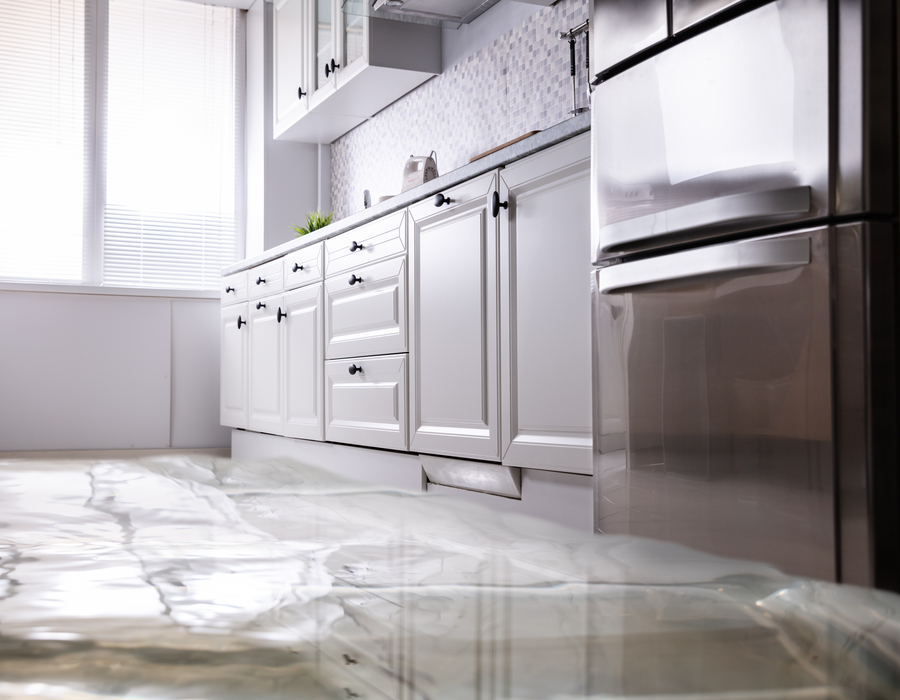
Extracting the Water
It’s important to remove as much excess water as possible early on, as it helps to reduce the saturation in the property walls and floors. Do not be tempted to leave this issue overnight. There are a number of different ways of extracting water:
a. Pump out water
Depending on the extent of the flooding or leak, you may have to remove substantial amounts of water. Using towels will only get you so far and is a slow solution to extract flooded water from your carpet. You can use suction drying to pump out excess water quickly, this will help reduce the saturation of the carpet, the underlay and the flooring underneath.
b. Use a carpet cleaner
Many carpet cleaners have the functionality to suck water out of the carpet as part of the cleaning process. We recommend using this feature to extract the excess water from your flooded carpet. If you don’t own a home carpet cleaner with the suction function, you can hire this equipment from many local DIY stores.
It’s likely that this method will take several goes over, and the cleaner itself will require emptying regularly.
c. Use an air mover with a dehumidifier
An air mover is a piece of specialist equipment that can be used to force moisture out of your carpet, while a dehumidifier extracts the excess water from the room. These carpet dryers help prevent a dank smell and the growth of mould.
Choose from a larger high speed air mover or hire multiple low profile air movers for different areas of your carpet to encourage the speeding up of the drying process.
The size of the flooded area will determine how many air movers and dehumidifiers are required to encourage air flow and speed up the drying process. Fortunately, our flood and drying specialists are on hand to advise what specialist drying equipment will help you.
d. Look at carpet layers
In substantial flooding you may need to assess the damage of each layer of your carpet – from the subfloor to the underlay and the carpet itself. Roll back the carpet and underlay to inspect the subfloor – if it’s wet, use the air mover and dehumidifier to dry out the sub floor, then the underlay, and then the carpet. If any layer is saturated beyond repair, we recommend replacing the layer before refitting the carpet.
Removing Odour
A flood or leak can create a lingering unpleasant odour in your property. As part of drying a carpet after a flood, we recommend using an effective air filtration system such as the HEPA Air Scrubber. This removes unwanted particles and odours to improve the air quality within your property. For best results, it’s recommended to combine the use of a HEPA air scrubber with air movers to encourage evaporation.
Be Aware of Contamination
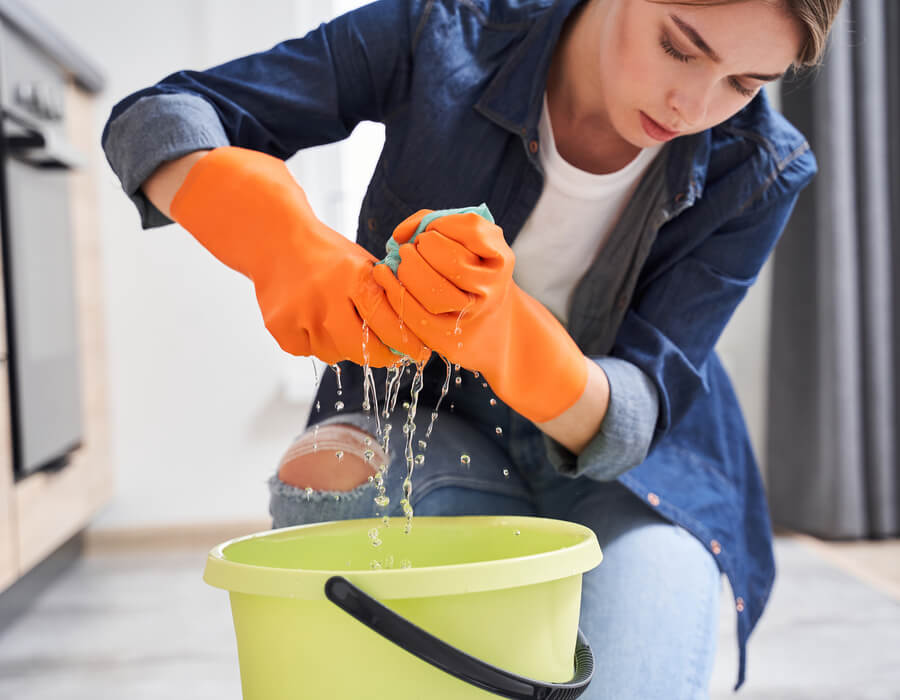
Floodwater can contaminate your home. For instance, if it’s a wastewater leak, it’s vital that you seek a specialist to resolve the leak and decontaminate your property so that it’s safe. There are several health risks associated with sewage leaks from black water (toilet waste) and grey water (appliance and drainage wastewater).
We’ll Dry a Carpet After a Leak
If you’d prefer to have a specialist take care of everything for you, Restorations (UK) provide a range of water damage drying services to give you peace of mind. Contact us today to find out more.
Can You Dry a Carpet Yourself After a Leak?
Sometimes, yes — but only in limited situations.
A small, clean-water leak that is caught immediately may be manageable with quick extraction, airflow and dehumidification. For example, a small amount of clean water spilled onto the carpet and dealt with straight away may dry without major issues.
However, many leak-damaged carpets need more than home drying. Professional help is usually recommended if:
- The carpet is heavily soaked
- The underlay feels wet
- Water has reached the skirting boards or walls
- The leak came from a toilet, drain, washing machine or floodwater
- The room smells damp or musty
- The carpet has been wet overnight
- The water may have travelled under flooring
- The property is part of an insurance claim
- The affected area is in a commercial property, rental home or managed building
The problem is not always the carpet pile. The real issue is often the moisture trapped beneath it.
Why Carpets Are Difficult to Dry at Home
Carpets hold water in layers. Even if the top looks better after using towels or a fan, the underlay can remain saturated. Underlay acts like a sponge and can keep moisture pressed against the subfloor.
Household fans often only move air across the surface. They do not remove enough moisture from the room, and they do not confirm whether the carpet backing, underlay and floor beneath are dry.
That is why professional carpet drying usually involves water extraction, targeted air movement, dehumidification, moisture readings and ongoing monitoring.
This can lead to:
- Persistent damp odours
- Mould growth beneath the carpet
- Damage to floorboards or concrete
- Swollen skirting boards
- Moisture spreading into walls
- Poor indoor air quality
- Staining and contamination
- The smell returning after the room appears dry
The 24–48 Hour Window Matters
After a leak, time matters. The longer a carpet stays wet, the harder it is to dry safely.
As a general rule, wet carpets and surrounding materials should be dried as quickly as possible, ideally within 24–48 hours. After this point, the risk of mould, damp odour and material damage increases.
This does not mean every carpet must automatically be thrown away after 48 hours. It does mean the carpet should be professionally assessed. The type of water, the level of saturation, the age and condition of the carpet, the underlay, and the subfloor all matter.
However, many leak-damaged carpets need more than home Clean Water, Grey Water and Contaminated Water
Before drying a carpet, it is important to know what kind of water caused the damage.
Clean water
Clean water may come from a supply pipe, radiator pipe or tap overflow. If caught quickly, some carpets affected by clean water may be dried and restored.
Grey water
Grey water may come from appliances, washing machines, baths, showers or sinks. This water may contain residues, dirt, detergent or bacteria. Carpets affected by grey water may need specialist cleaning, sanitising and drying.
Black water or contaminated water
Water from toilets, drains, sewage, floodwater or outside groundwater should be treated as contaminated. In these cases, drying the carpet is usually not enough. Contaminated carpets and underlay often need removal and safe disposal.
If you are unsure what type of water affected the carpet, it is safer to get professional advice before attempting to dry and reuse it.
How Professionals Dry Carpet After a Leak
Professional carpet drying is not just about putting down a few fans. A proper drying process may include:
1. Inspection and moisture testing
Specialist moisture meters are used to check the carpet, underlay, subfloor, skirting boards and nearby walls. This helps identify how far the water has travelled.
2. Water extraction
Powerful extraction equipment removes water from the carpet far more effectively than towels or domestic wet vacuums.
3. Lifting the carpet where needed
In some cases, sections of carpet may need to be lifted to inspect or remove wet underlay and allow airflow underneath.
4. Underlay assessment
Wet underlay is often the biggest problem. Depending on the water source and how long it has been wet, it may need to be dried, cleaned or replaced.
5. Dehumidification
Professional dehumidifiers remove moisture from the air and help draw moisture out of carpets, flooring and building materials.
6. Air movement
Air movers are positioned to create controlled airflow across and around the affected area.
7. Humidity control
Humidity levels are monitored and controlled so the room dries properly rather than simply moving moisture from one place to another.
8. Odour treatment
If damp smells remain, specialist odour removal may be needed. This can include targeted deodorisation, fogging or other treatments designed to neutralise odours at the source rather than masking them.
9. Drying checks and completion readings
The job is not finished just because the carpet feels dry. Final moisture readings help confirm whether the affected materials have returned to a safe dry standard.
Why Damp Smells Come Back After a Carpet Leak
A damp smell after a leak usually means moisture is still present somewhere.
It may be trapped in:
- Carpet backing
- Underlay
- Floorboards
- Concrete
- Skirting boards
- Wall cavities
- Soft furnishings
- Nearby cupboards or built-in furniture
Air fresheners, sprays and household deodorisers may temporarily hide the smell, but they do not remove the cause. If the source moisture remains, the odour will usually return.
This is where professional damp odour removal can help. The aim is to identify the source, dry the affected materials and treat the odour properly.
Should You Replace the Carpet or Dry It?
This depends on the situation. A professional drying specialist can advise whether drying, cleaning, partial replacement or full removal is the best option.
A carpet may be saved if:
- The water was clean
- The leak was found quickly
- The underlay is not badly affected
- Drying starts immediately
- Moisture readings confirm the area can be dried properly
- There is no contamination, mould or persistent odour
A carpet may need replacing if:
- It has been wet for too long
- The underlay is saturated
- The water was contaminated
- There is sewage or drain water involved
- There is visible mould
- The carpet smells strongly of damp
- The subfloor is affected
- Drying would not be safe or cost-effective
What Not to Do When Drying Carpet After a Leak
Avoid these common mistakes:
- Do not rely on household heaters alone
- Do not leave wet underlay in place without checking it
- Do not assume the carpet is dry because the surface feels dry
- Do not spray over damp smells with air freshener
- Do not use bleach on carpet without professional advice
- Do not ignore skirting boards, walls or nearby flooring
- Do not wait several days before getting the area checked
- Do not reuse carpet affected by sewage or contaminated water
The earlier the problem is assessed, the better the chance of saving the carpet and reducing secondary damage.
Do You Need Professional Carpet Drying?
If your carpet is wet after a leak, professional drying is usually worth considering. It can help prevent further damage, reduce the risk of damp odours and provide evidence for insurance-related claims.
Restorations (UK) can help with:
- Carpet drying after leaks
- Water extraction
- Moisture testing
- Humidity control
- Dehumidifier and air mover setup
- Damp odour removal
- Flood odour treatment
- Specialist drying after water damage
- Insurance-related restoration support
If your carpet is wet, smells damp or may have water underneath it, speak to a specialist before the damage spreads.
Need Help Drying a Carpet After a Leak?
A wet carpet can quickly become a bigger water damage problem, especially if moisture has reached the underlay, floor or walls.
If you need help drying carpet after a leak, contact Restorations (UK) for professional advice, moisture testing and specialist drying support.
Carpet Drying FAQs
Start by stopping the leak, removing standing water, moving furniture and ventilating the room if safe. For anything more than a small clean-water spill, arrange professional drying. The underlay and subfloor may still be wet even if the surface looks dry.
For a very small clean-water leak, you can blot the area, use a wet vacuum, increase ventilation and run a dehumidifier. However, if the carpet is soaked, smells damp or has been wet for several hours, home drying is unlikely to be enough.
Drying time depends on the amount of water, carpet type, underlay, subfloor, humidity and airflow. A small damp patch may dry relatively quickly, but a soaked carpet and underlay can take much longer and may need professional drying equipment.
Yes. If moisture remains trapped in the carpet, underlay or floor beneath, mould can become a risk. This is why quick drying and moisture testing are important after a leak.
Do not start pulling up fitted carpet unless you know what you are doing, especially if the water may be contaminated. A professional can lift sections safely where needed and check whether the underlay and floor beneath are wet.
Yes, but only if the source of the moisture is dealt with first. Damp odour removal should focus on drying the affected materials and treating the smell at source, not simply covering it with fragrance.
Sometimes, but it depends on the water source, how wet it is and how long it has been wet. Underlay contaminated by dirty water, sewage or floodwater will usually need replacing.
Call a professional if the carpet is soaked, the underlay is wet, the room smells damp, the leak affected walls or skirting boards, the water may be contaminated, or the carpet has been wet for more than a few hours.